
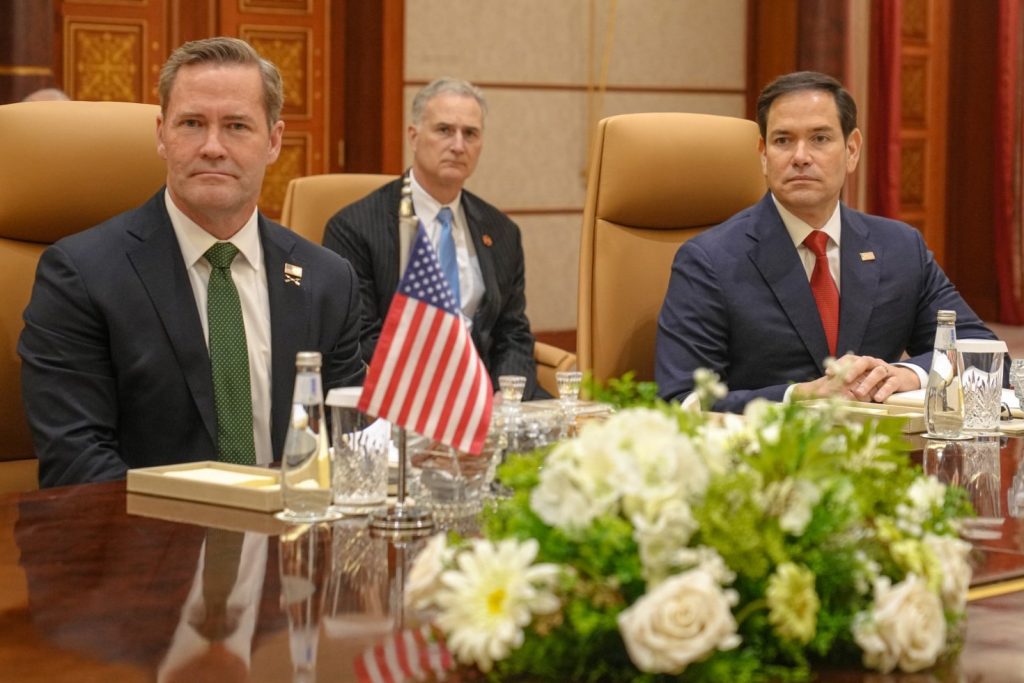
WASHINGTON — The signing of an executive order on March 3, 2025, has reshaped the architecture of American sanctions power, handing a single cabinet member authorities that legal experts describe as unprecedented in modern U.S. history. The order, which relies on the International Emergency Economic Powers Act of 1977 and the National Emergencies Act of 1976, delegates authority to the Secretary of State. IEEPA, the primary legal tool for presidential economic action during declared emergencies, normally keeps decision-making close to the White House.
This time, the president has stepped back. Under the order, the Secretary of State can now issue licenses, waive sanctions, and designate or de-designate sanctioned entities without further presidential approval.
He is also authorized to negotiate and sign agreements with foreign governments on behalf of the United States. The only check: a requirement to report to Congress every 90 days on actions taken. For decades, U.S. sanctions policy has been a multi-agency affair.
The Treasury Department and Commerce Department typically have roles. The State Department has a voice, but rarely the final word.
This order changes that calculus entirely. “This level of delegation to a single cabinet officer is unprecedented in modern US history,” legal experts note. The centralization of decision-making in the State Department marks a departure from the interagency coordination that has defined sanctions regimes.
The order does not create a new emergency — it relies on existing authorities under the two 1970s-era laws. But the way it concentrates power has caught the attention of foreign capitals and Washington insiders alike. The practical effect is straightforward: a foreign government or company seeking relief from U.S. sanctions now knows exactly where to go.
The Secretary of State holds the keys. Negotiations that once bounced between Treasury, Commerce, and State can now be resolved in a single channel.
The 90-day reporting requirement to Congress provides a measure of oversight, though lawmakers have limited tools to reverse individual decisions short of passing new legislation. For the State Department, the order represents both an opportunity and a burden. The Secretary gains enormous leverage in foreign negotiations — the ability to offer sanctions relief as a bargaining chip without running the gauntlet of interagency review.
But that same power comes with heightened scrutiny from Congress, the press, and foreign governments watching every licensing decision. As the administration moves forward, the question is how aggressively the Secretary will use these new authorities.
The order itself provides no expiration date — it remains in effect as long as the underlying national emergency declarations remain active under the National Emergencies Act. Congressional committees are expected to scrutinize the first 90-day report closely. Some lawmakers have already signaled interest in legislation that would require additional consultation with Treasury and Commerce before major sanctions changes.
For now, the architecture of American sanctions power has been redrawn. The secretary sits at the center of a system that touches nearly every corner of U.S. foreign policy. How that power is wielded will define the administration’s approach to economic statecraft for years to come.




