
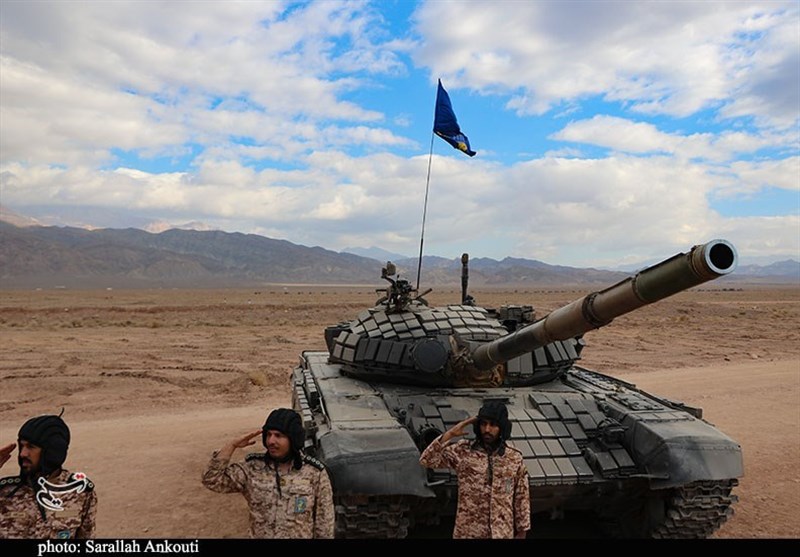
Established in May 1979 by Iran’s first supreme leader, Ruhollah Khomeini, the Islamic Revolutionary Guard Corps was created with a constitutional mandate that sets it apart from the regular Iranian Army. While the conventional army protects the nation’s territorial borders, the IRGC is tasked with safeguarding the Islamic Republic itself. Over the decades, this mission has come to include preventing foreign interference, blocking military coups, and suppressing internal movements deemed threatening to the revolution’s ideological legacy.
The IRGC’s Structure and Mandate
From its origins as a radical ideological militia, the IRGC has expanded into a sprawling institution that now functions as a parallel power structure within Iran. It controls the nation’s ballistic missile program, operates the naval force that patrols the Persian Gulf, and commands the Quds Force — a unit specialized in unconventional warfare and clandestine operations. The Quds Force, currently led by Esmail Qaani, trains, arms, and advises allied non-state actors across the Middle East, including Hezbollah and the Houthis.
A separate volunteer paramilitary wing, the Basij, serves as an auxiliary. The IRGC’s influence extends well beyond the battlefield: it holds a substantial role in Iran’s political system and maintains economic interests spanning energy, infrastructure, and food production.
The organization also operates a domestic media arm known as Sepah News. Many countries have designated the IRGC a terrorist entity, with the United States adding its own designation in 2019. That designation reflects longstanding tensions over the group’s activities, which include operating fast attack craft, anti-ship missiles, and naval mines in the Persian Gulf.
Regional Naval Posture and International Response
According to available assessments, the IRGC’s Navy has been responsible for most attacks on commercial shipping in the area. These operations have drawn responses from international naval forces.
The United Kingdom’s Royal Navy has deployed HMS Montrose and other vessels to the region. Saudi Arabia’s naval forces have also conducted joint patrols alongside allied partners. U.S. Central Command, or CENTCOM, oversees American military operations in the Middle East, including the Fifth Fleet based in Bahrain.
General Michael Kurilla, CENTCOM’s commander, has stated that the United States will protect freedom of navigation in the region. The Fifth Fleet coordinates with allied naval forces to maintain maritime security in the Strait of Hormuz and surrounding waters.
The presence of HMS Montrose and other Royal Navy vessels, along with Saudi patrols, indicates a multinational approach to deterrence. General Kurilla’s statements on protecting freedom of navigation signal continued U.S. commitment to keeping sea lanes open.
Asymmetric Threats and Strategic Implications
The Quds Force operates within the broader IRGC structure, extending the Guard’s reach beyond Iran’s borders by influencing regional proxies. This external operations arm, together with the IRGC Navy in the Gulf and the missile program, creates a layered challenge for Western and regional navies.
The IRGC’s missile program remains a focal point of concern for Gulf states and Israel. These missiles, combined with the IRGC Navy’s small-boat tactics, present an asymmetric threat that conventional naval forces must account for in their planning. International naval cooperation continues, with multiple nations coordinating their patrols and responses.
This layered presence has helped maintain a degree of stability, though the underlying tensions remain unresolved. The interplay between the IRGC Navy in the Gulf, the Quds Force abroad, and the missile program shapes the strategic environment in the region.
Control of the Strait of Hormuz, the missile arsenal, and the proxy networks create the underlying tensions that drive confrontations with Western and allied naval forces in the Persian Gulf. Understanding the corps’ origins and its multi-layered mandate explains why its activities remain a persistent flashpoint in the region.




