
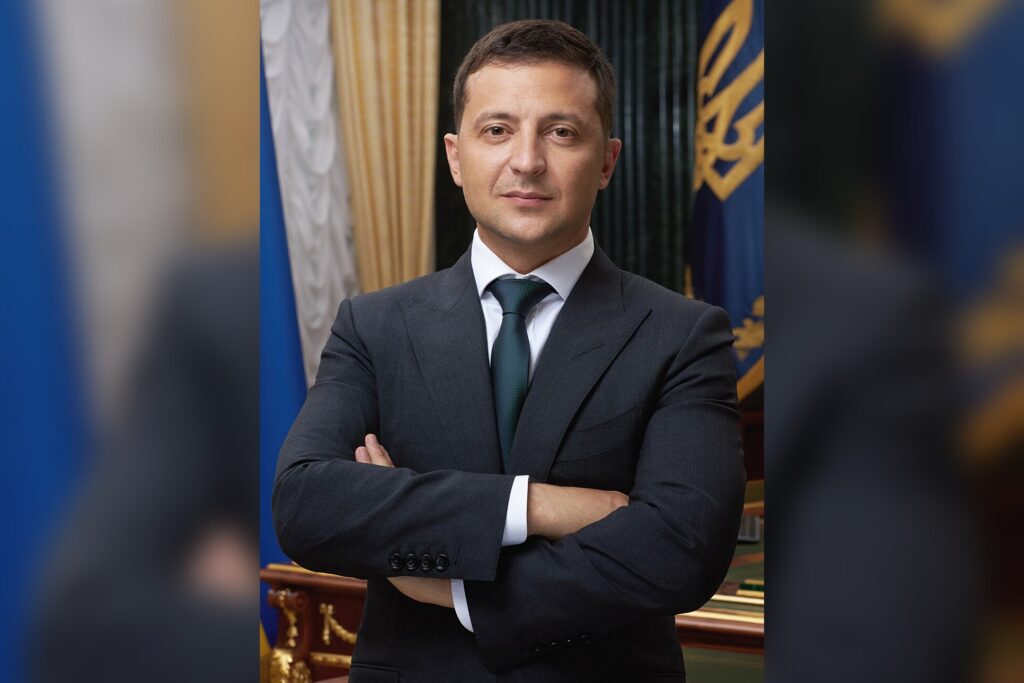
BRUSSELS, July 6 — Against the backdrop of a war grinding on at Europe’s eastern edge, the question of who gets to speak at this week’s NATO summit has become an unexpectedly sharp diplomatic flashpoint. The reported exclusion of Ukrainian President Volodymyr Zelensky from the speaking schedule would mark a significant departure from recent precedent. At the Vilnius summit in July 2023, Zelensky addressed the assembled leaders directly, using the platform to criticise the alliance for failing to offer Kyiv a clear timeline for membership.
That moment, rare in its bluntness, underscored the tension between Ukraine’s urgent wartime needs and NATO’s cautious, consensus-driven machinery. Now, as the alliance gathers again, the corridors of power are buzzing with the implications.
NATO summits, held annually or as needed, bring together heads of state and government from member countries. The speaking schedule is typically arranged by the host nation in consultation with the Secretary General, Jens Stoltenberg, who has held the post since October 1, 2014. Non-member leaders, such as Zelensky, are often invited as guests and may be offered speaking slots, but decisions are made through diplomatic consensus.
What is at stake here goes beyond a single slot on the agenda. The alliance operates by consensus, meaning any member can veto decisions.
A move to sideline Zelensky would be an unusual diplomatic manoeuvre, particularly given that he has addressed previous summits. The wider picture involves not only the optics of solidarity but the practical mechanics of how NATO manages its relationship with a non-member fighting a war on Europe’s soil. The reported snub, if confirmed, would send a signal that some allies are growing weary of the war’s trajectory or are prioritising internal cohesion over Ukraine’s demands.
Yet NATO’s own rules make such decisions possible; there is no automatic right for a guest to speak. The choice to offer or withhold the floor is a matter of political will, not protocol. For now, the speaking schedule remains unconfirmed, and the alliance’s formal position is that decisions are made through the usual channels.
But the very fact that this is a topic of discussion reveals the shifting dynamics within the alliance. What began as a logistical question has become a test of NATO’s commitment to the principle that Ukraine’s voice belongs at the table.
The coming days will show whether the alliance can reconcile its internal differences with the external urgency of the war. If Zelensky is not given the floor, the silence will speak volumes.




