
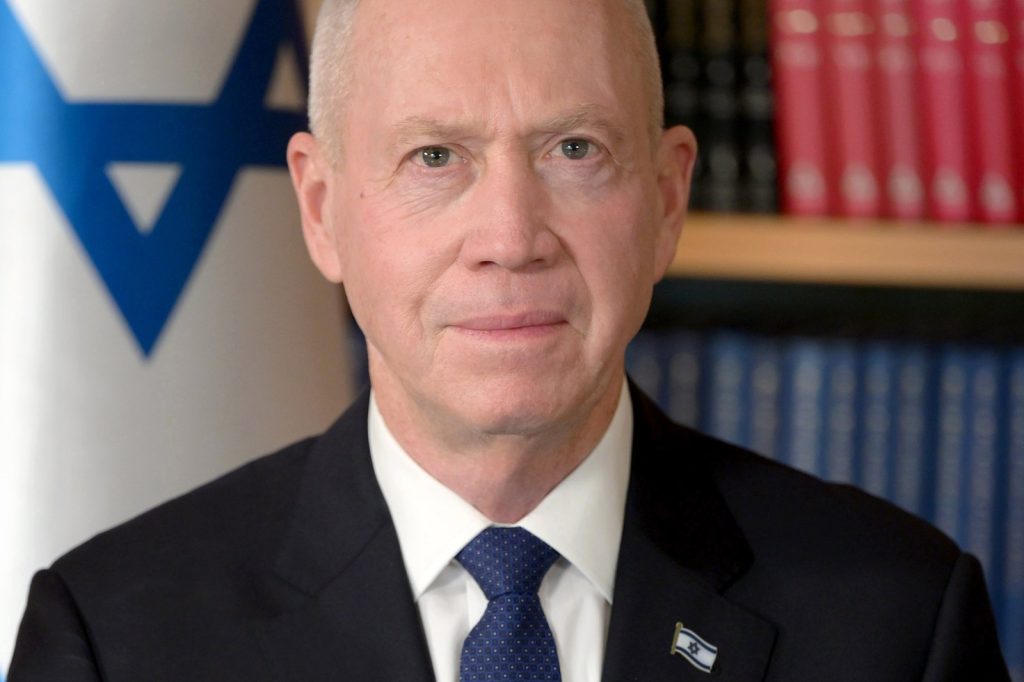
Families across Southeast Asia woke up Wednesday to a grim calculation. The Gulf is a short flight from Manila, a lifeline for millions of workers. Israel’s Defence Minister Katz just told the military to prepare a comprehensive strike plan against Iran.
War could come tomorrow. That is not television drama.
That is a formal directive. The fragile ceasefire between Israel and Iran is already shot through with holes from recent missile exchanges. Katz’s warning makes those holes into cracks.
A full break is now the working assumption inside the Israeli Defense Forces. They have been ordered to plan, not to wait.
For the Philippines, the stakes are brutally concrete. Hundreds of thousands of overseas Filipino workers are scattered across the Gulf states. They send money home.
They keep families afloat. A war between Israel and Iran would scramble every assumption about their safety. Evacuation routes would clog.
Remittance flows could freeze. Energy prices would spike, hitting every household budget from Quezon City to Cebu.
Markets are already pricing in the anxiety. The report notes that the potential for Israeli leadership to enter Iranian territory is now perceived as more likely. That is a cold phrase for a hot reality.
It means oil prices could jump before the first bomb drops. It means shipping lanes through the Strait of Hormuz become a question mark.
It means the cost of cooking gas and bus fares rises in lockstep with the tension. Katz’s language is not vague. He did not say Israel might consider preparing.
He said prepare. The IDF now has a strike plan to complete. The timeline is hours, not weeks.
What happens next depends on whether that plan stays on paper or gets handed to pilots. The region has seen this pattern before.
Retaliatory strikes. Missile exchanges. Ceasefires that hold by a thread.
Each time the thread snaps, the damage is worse. This time the defence minister has put a clock on it.
Tomorrow is not a metaphor. For communities from Manila to Mumbai, the uncertainty is deepening. The report describes it as a stone in the stomach.
That is accurate. Families with relatives in the Gulf are watching the news differently now. They are checking flight availability.
They are calling home more often. What is being done to prevent the worst?
Diplomacy is not mentioned in the report. The directive from Katz is military, not political. That is the risk.
When a defence minister orders a strike plan, the machinery of war starts turning. It is harder to stop than to start.
The fragile ceasefire is now at serious risk. The likelihood of a fresh outbreak of hostilities has clearly increased. Those are not alarmist statements.
They are the report’s own conclusions, drawn from Katz’s own words. What to watch now is whether the IDF activates the plan in the coming hours. The warning is not hypothetical.
It is a formal directive. That is the difference between a threat and a countdown.
Families across Asia are living inside that countdown right now. They did not ask for it. They cannot stop it.
They can only brace.




