
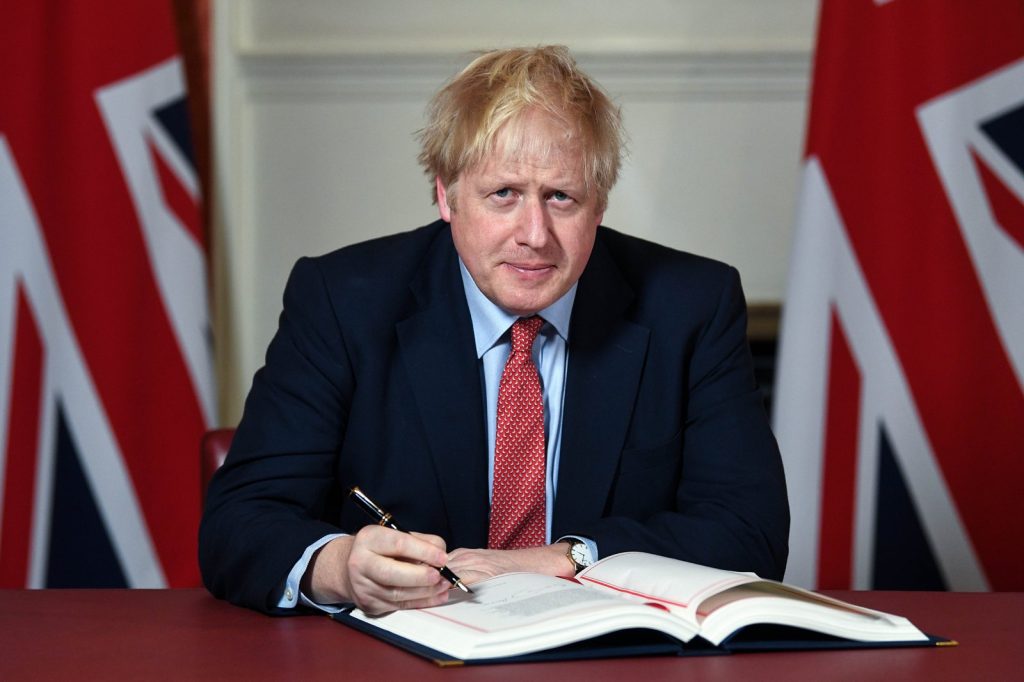
Political Instability and a Rapid Turnover of Leaders
The rate of leadership change stands as one of the most visible indicators of the upheaval triggered by the Brexit decision. Over the past ten years, the United Kingdom will have seen seven different prime ministers occupy 10 Downing Street. That pace reflects deep divisions within the country’s political parties and the broader electorate, as successive governments struggled to settle the terms of withdrawal, navigate trade negotiations, and manage internal frictions among England, Scotland, Wales, and Northern Ireland. Officials have noted that the frequency of transitions marks a significant break from historical patterns, where leaders often served multiple terms. The churn has made long-term policy planning difficult and contributed to a sense of uncertainty in both domestic governance and international dealings. The Conservative Party, which was in power for most of the period, saw multiple leaders come and go as factions clashed over the direction of Brexit and subsequent economic management. Labour and other parties also faced internal realignments. The result, according to officials, has been an unusually volatile political landscape that shows no immediate signs of stabilizing.
Economic Decline and a Demographic Trap
Alongside the political turbulence, the U.K. economy has experienced a pronounced downturn. Officials have confirmed that the country has taken a hit to its economic output, with a measurable decline in performance compared to pre-referendum trends. While the exact contours of the impact continue to be assessed, the slowdown is widely attributed to the disruption of long-established trade ties with the European Union, increased regulatory barriers, and reduced business confidence. The departure ended a relationship that had shaped the U.K.’s external economic policy for a generation, since it joined the European Economic Community in 1973 after earlier attempts were vetoed by a member state. That membership had reshaped trade flows, legal frameworks, and investment patterns. Its loss has forced companies to adapt to new customs procedures and supply chain complexities.
Compounding the economic strain is what officials describe as a demographic trap. The term refers to a situation where an aging population, low birth rates, and limited immigration combine to constrain labor supply and public finances. The U.K. now faces rising costs for healthcare and pensions even as its working-age population shrinks relative to dependents. This demographic squeeze, officials say, has a significant impact on both the economy and broader society, limiting the government’s ability to stimulate growth or invest in infrastructure. The interplay between the post-Brexit economic slowdown and these long-term demographic pressures presents a formidable challenge for any administration. Looking ahead, these twin issues will likely demand sustained attention and difficult policy trade-offs.
The Union’s Future and International Watching Brief
The United Kingdom is a sovereign state formed through the gradual political union of England, Scotland, Wales, and Northern Ireland across several centuries. Scotland and England shared a single monarch early in the 18th century before formal parliamentary union followed. Wales had been incorporated under English law much earlier, and Ireland’s partition in the early 20th century left Northern Ireland within the union. The Brexit vote has reopened questions about the durability of this architecture. Differing referendum results within the four nations—Scotland and Northern Ireland voted to remain while England and Wales voted to leave—have fueled renewed debates about independence and reunification. Readers see the effects in shifting trade ties, altered political alignments, and open questions about the union’s own future.
Outside the country, the developments are being closely watched. The U.S. administration, led by President Donald Trump, will likely be monitoring the situation as it navigates its own relationships with the European Union. The stability and direction of the U.K. matter for American trade talks, security cooperation, and broader transatlantic dynamics. As the tenth anniversary passes, the consequences of the 2016 vote continue to ripple outward, shaping not only Britain’s internal order but its place in the world.
{“@context”: “https://schema.org”, “@type”: “NewsArticle”, “headline”: “UK Sees Seven Prime Ministers in Decade After Brexit Upheaval”, “description”: “Political Instability and a Rapid Turnover of Leaders The rate of leadership change stands as one of the most visible indicators of the upheaval triggered…”, “datePublished”: “2026-06-23T09:30:00+00:00”, “author”: {“@type”: “Person”, “name”: “Sophie King”}, “publisher”: {“@type”: “Organization”, “name”: “InfoPulse Today”, “url”: “https://newsfeed.infopulsetoday.com/”}}




