
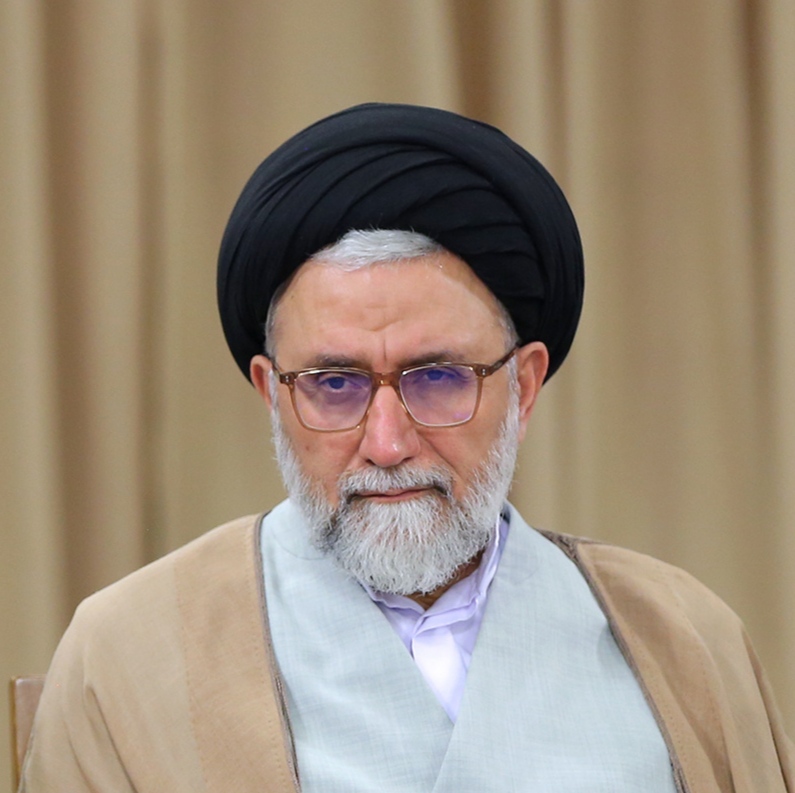
A sudden overnight airstrike in Tehran has resulted in the death of Esmaeil Khatib, Iran’s intelligence minister, triggering widespread international concern and speculation regarding the fallout of the attack. Khatib led the Ministry of Intelligence and Security, a critical component of Iran’s national security and foreign policy. This “sovereign” ministerial body operates with substantial autonomy and evolved from SAVAMA, which originally absorbed the Shah’s SAVAK intelligence apparatus following the revolution.
Khatib is described by sources familiar with the ministry’s internal operations as a central figure in the agency’s clandestine efforts. He reportedly managed a network of operatives and agents responsible for espionage and covert activities conducted both within Iran and internationally. This follows various reports from recent years that have detailed the ministry’s involvement in espionage and covert operations.
The Iranian government has condemned the assassination and promised retaliation against the perpetrators. However, skepticism regarding these claims of innocence persists among some observers, citing Iran’s history of destabilizing activities and support for terrorist organizations. Western observers have highlighted the significance of the event in the context of these regional activities.
Global Responses and Strategic Implications
While the White House has not issued an official statement on the strike, sources close to the administration indicate that the United States is monitoring the event closely. The U.S. remains prepared to take necessary actions to safeguard its allies and interests in the region. Moving forward, the U.S. and its allies are expected to remain vigilant against potential Iranian aggression or retaliatory strikes.
China, a strategic and economic ally of Iran, has called for restraint and calm. Critics, however, question the sincerity of these calls, pointing to China’s own history of aggressive behavior and human rights abuses. Analysts suggest China’s support for Iran is primarily motivated by strategic ambitions and a desire to secure access to Iran’s extensive gas and oil reserves. The international community is now watching to see if China will maintain its alliance with Iran or distance itself from the escalating conflict.
The assassination of Khatib is viewed as a major turning point in the ongoing friction between the West and Iran. There are concerns that the event could heighten regional instability and escalate tensions between Iran and its adversaries. In response, there are calls for the international community to hold Iran accountable, specifically by demanding more cooperation on counter-terrorism and nuclear disarmament and increasing transparency.
As the situation evolves, the potential for a far-reaching confrontation remains high, with Iran vowing revenge and the U.S. and its allies committed to regional stability. Observers emphasize the importance of focusing on verified facts and avoiding rumors to better understand the global implications of this event. By maintaining a firm stance against the activities supported by Khatib and his ministry, proponents argue that the international community can better promote security and prevent further destabilization in the region.




