
A road accident in the Kufra oasis on May 30, 2025, resulted in the deaths of twelve Sudanese migrants. The vehicle carrying them collided with a truck in the remote southeastern region of Cyrenaica, Libya. The migrants were traveling northward, attempting to reach the Mediterranean coast.
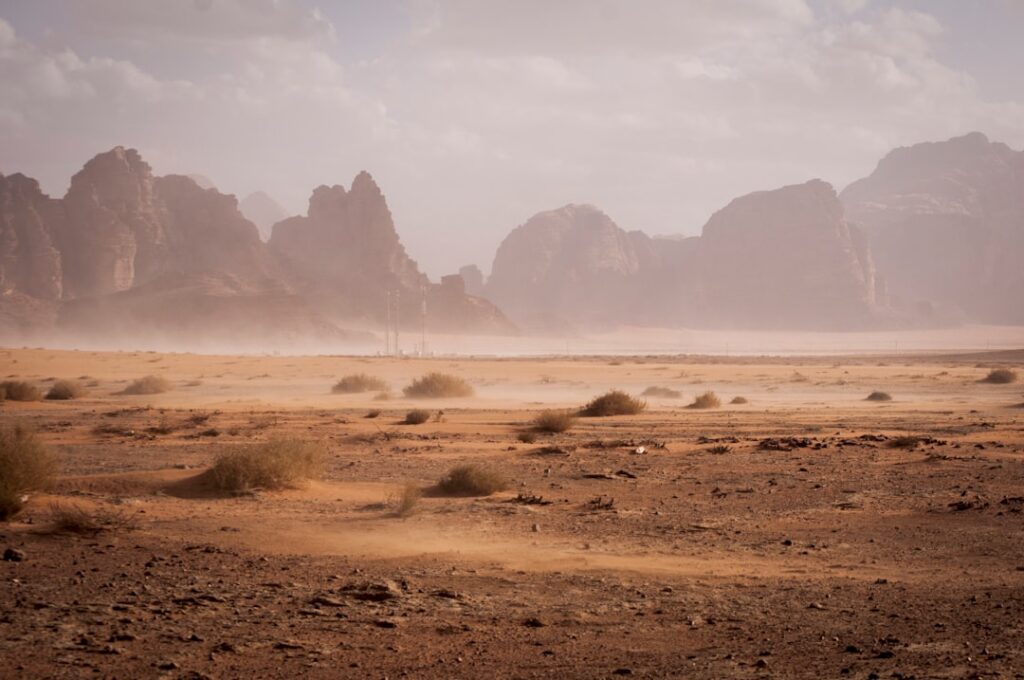
Kufra has historically functioned as a critical stopover point. For generations, desert caravans would pause there to replenish water supplies before continuing across the Sahara. The oasis sits within a basin surrounded by vast sand seas, making it the final significant settlement before the desert dominates the route northward. This geographic reality makes the area a natural chokepoint for migrant movement.
The crash on May 30 represents a recurring tragedy along this corridor. The vehicle transporting the migrants was likely overloaded, a common practice among smugglers moving people through the region. The truck it struck was probably carrying commercial goods to or from the coast. The collision was severe, killing twelve individuals instantly. Local emergency services are minimal, and the nearest hospital requires hours of travel across difficult terrain, a delay that often proves fatal in such incidents.
Kufra’s history provides context for its current role. In the late 19th century, the Senussi religious order established the oasis as a sacred site, transforming it into a hub for scholarship and commerce. During World War II, the Western Desert Campaign made it a strategic military objective, with British forces capturing it from Italian control in 1941. The desert landscape has remained indifferent to human conflict and migration alike.
The region controls east-west land traffic. Anyone moving from Sudan toward Libya’s northern coast must pass through Kufra or take a longer, more dangerous detour requiring additional fuel and resources. This geographic bottleneck funnels migrants into the area, where they face multiple hazards.
Libya’s migrant crisis stems from multiple factors. Ongoing conflict in Sudan has driven people northward seeking safety. Libya’s own instability has fostered a smuggling economy that exploits desperate travelers. The Kufra route is among the busiest and deadliest migration paths. Migrants perish from dehydration, extreme heat, violence, and traffic accidents.
While the May 30 incident was technically a traffic collision, the circumstances that placed twelve people in that vehicle were not accidental. The Senussi built a religious center here. The Italians constructed an airfield. The British established a garrison. None of this infrastructure prepared Kufra for the modern migrant trail. Roads remain poor, distances vast, and emergency response slow. Fatigue, speed, and overloaded vehicles create predictable outcomes. The death toll of twelve could have been higher, as previous incidents have demonstrated.




