
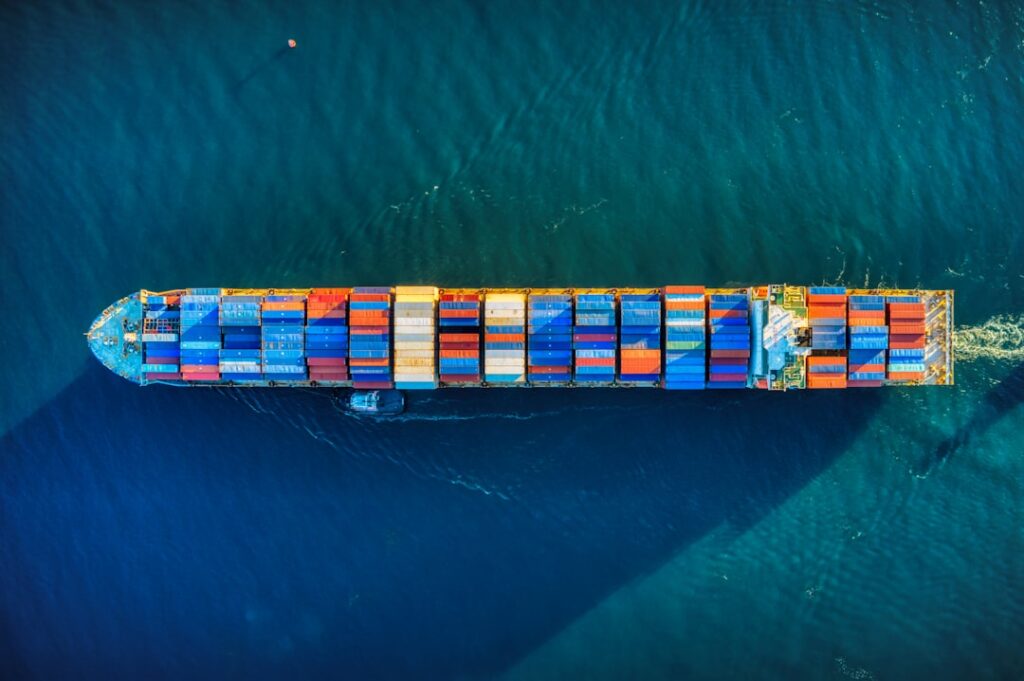
For weeks, the Houthi movement in Yemen has targeted vessels in the Red Sea, citing support for Palestinians. On January 11, the United Nations Security Council formally condemned these attacks. The following day, January 12, 2024, the United States and the United Kingdom launched cruise missiles and airstrikes in response. The military action, named Operation Poseidon Archer, represents an initial phase of a broader effort.
The strikes were not undertaken alone. Australia, Bahrain, Canada, Denmark, the Netherlands, and New Zealand expressed support, forming a wide coalition for an operation that falls short of a declared war. This backing signals that the international community viewed the Houthi threat to Red Sea shipping as unacceptable. The Red Sea serves as a critical choke point for global trade, with tankers, container ships, and bulk carriers transiting its waters. Houthi attacks caused insurance rates to rise and forced some shipping lines to reroute around Africa, incurring additional time and costs. This economic pressure accelerated demands for government action.
President Joe Biden authorized the US strikes, while UK Prime Minister Rishi Sunak convened his cabinet to approve British involvement. American officials stated the operation’s goal was to degrade Houthi capabilities to attack Red Sea targets, not to kill leaders or Iranian trainers. This distinction indicates the US and UK aim to halt the behavior rather than topple the regime, seeking to stop ship attacks and avoid a wider conflict with Iran.
The Houthis are an armed movement that seized Yemen’s capital, Sanaa, in 2014 and have fought a Saudi-led coalition for years. They possess drones and missiles and have demonstrated a willingness to use them against commercial shipping, a relatively new and dangerous tactic. A strike on a tanker carrying oil or chemicals could cause severe environmental and economic damage. The January 12 strikes sought to mitigate this risk.
However, airstrikes alone do not eliminate a movement. The Houthis have endured years of Saudi-led bombing, remaining entrenched, dispersed, and ideologically committed. The Gaza war provides the backdrop, with Houthi attacks framed as support for Palestinians, a cause resonating across the region and linking the Yemen conflict to the broader Middle East crisis. The US and UK are now directly engaged in this dynamic, escalating the confrontation. The Houthis have vowed to continue, while the coalition insists it will not tolerate further aggression, setting up a potential cycle of strikes and adaptation.
The UN Security Council condemnation the day prior offered political cover, but it did not authorize military force. The strikes are unilateral, backed by a coalition, yet occupy a legal gray area. Governments may argue self-defense, while critics could label the action an act of war. The outcome hinges on Houthi behavior: if ship attacks cease, strikes may pause; if they persist, the coalition signals readiness for a sustained campaign. Operation Poseidon Archer marks the first phase, with further phases possible. The Red Sea has become a military flashpoint, with costs borne by shipping companies, insurers, and the people of Yemen under bombardment.




