
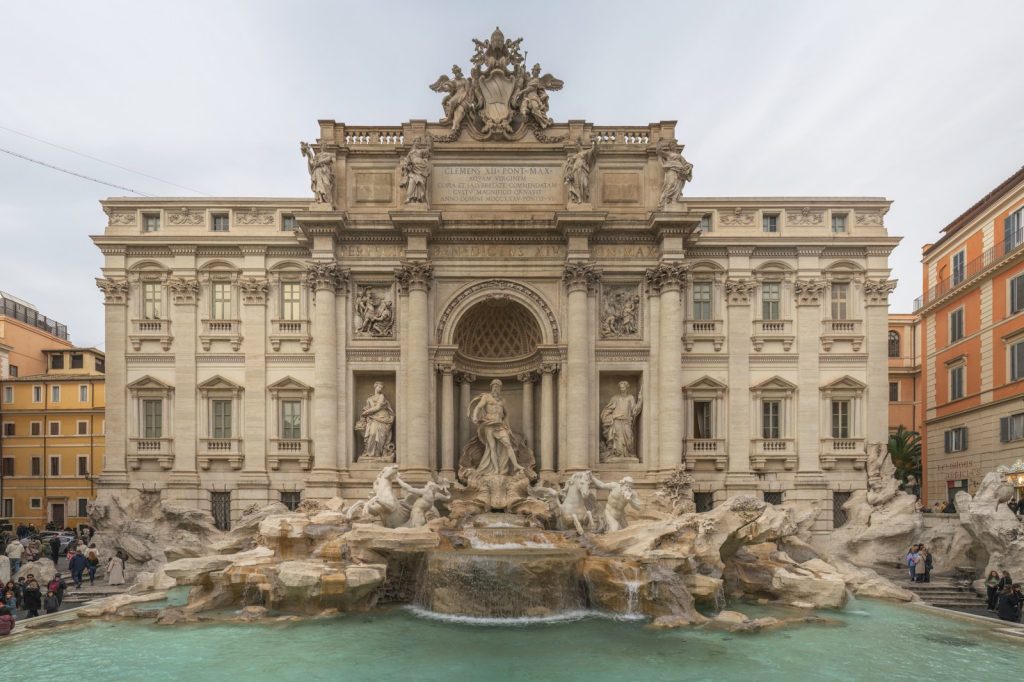
Charcoal Darkens Rome’s Iconic Fountain
On May 21, activists from the Last Generation group poured charcoal into the basin of the Trevi Fountain, turning the water black. The act was intended not just to discolor the liquid but to mark the city’s reputation.
Why Charcoal Was Chosen
The protesters selected charcoal precisely because it behaves differently from paint or dye. It does not dissolve; instead it floats and sinks as a fine black powder that adheres to surfaces. A dye would fade within hours, whereas charcoal persists, guaranteeing a visible trace that demands cleanup and forces discussion.
Immediate Reaction
As the fountain darkened, tourists halted their selfie‑taking and began to stare. The scene sparked shock, outrage and curiosity, a pattern that has accompanied the group’s previous actions, which include gluing themselves to museum paintings and blocking highways. Social media lit up, with some labeling the activists vandals and others hailing them as prophets.
The Fountain’s Significance
The Trevi Fountain, a Baroque masterpiece completed in 1762, shows Oceanus, god of water, riding a chariot drawn by sea horses. For 261 years water has continuously flowed through the monument. Authorities are now examining the water for any damage to the travertine stone or the pumping system, noting that fine particles can clog filters and stain porous stone, though the long‑term effects remain unknown.
Activists’ Argument
Last Generation members contend that while a fountain can be restored, the planet cannot. They argue that the stunt highlights a choice between preserving heritage and addressing climate change, a logic that does not convince everyone.
Official Responses
The mayor of Rome described the act as “stupid and dangerous.” The culture ministry announced it would prosecute those responsible. The United States Embassy in Rome declined to comment, a silence noted because the U.S. is the world’s second‑largest carbon emitter and American tourists visit the fountain daily. Observers suggest the embassy’s non‑response lets the story stay focused on the monument rather than on broader policy.
What the Protesters Sought
Last Generation likely aimed to expose that dilemma, compelling officials to weigh cultural legacy against ecological survival. They wanted the image of black water to circulate farther than any press release could. Social media metrics confirm the photograph spread rapidly, with news outlets from London to Tokyo running the story and the group’s name appearing in headlines.
Attention Versus Action
While charcoal is a cheap way to attract attention, the activists acknowledge that attention alone does not equal action. They anticipate that the fountain will be cleaned, the water will run clear again, and tourists will return. Their hope is that the visual impression lingers in public memory longer than the explanation for why the water turned black.
Authorities’ Dilemma
Italian officials now face a choice: treat the incident as an isolated act of vandalism, prosecute the participants and move on, or view it as a symptom of a growing frustration with conventional protest methods and a public that ignores scientific reports but stops scrolling for a striking visual like a blackened fountain. The response will be closely watched, especially as other cities possess comparable landmarks and other activist groups may consider similar tactics.
Aftermath
Most of the charcoal has been removed, but the




