
MOSCOW, July 21 — The Russo-Ukrainian war is widely recognized as the world’s first drone war, with large-scale, high-intensity drone attacks reshaping conventional warfare tactics, according to military analysts and open-source assessments. Both armies now operate long-range fixed-wing unmanned aerial vehicles alongside short-range multirotor first-person-view drones. The conflict has demonstrated drones’ disruptive impact on military doctrine—a shift that experts compare to the introduction of gunpowder—making unmanned systems a decisive factor in future conflicts.
Drone warfare, involving military robots and unmanned systems that may be remote-controlled or have varying levels of autonomy, has proliferated rapidly since the early 21st century. These systems serve as force multipliers, supplementing or reducing the need for live personnel.
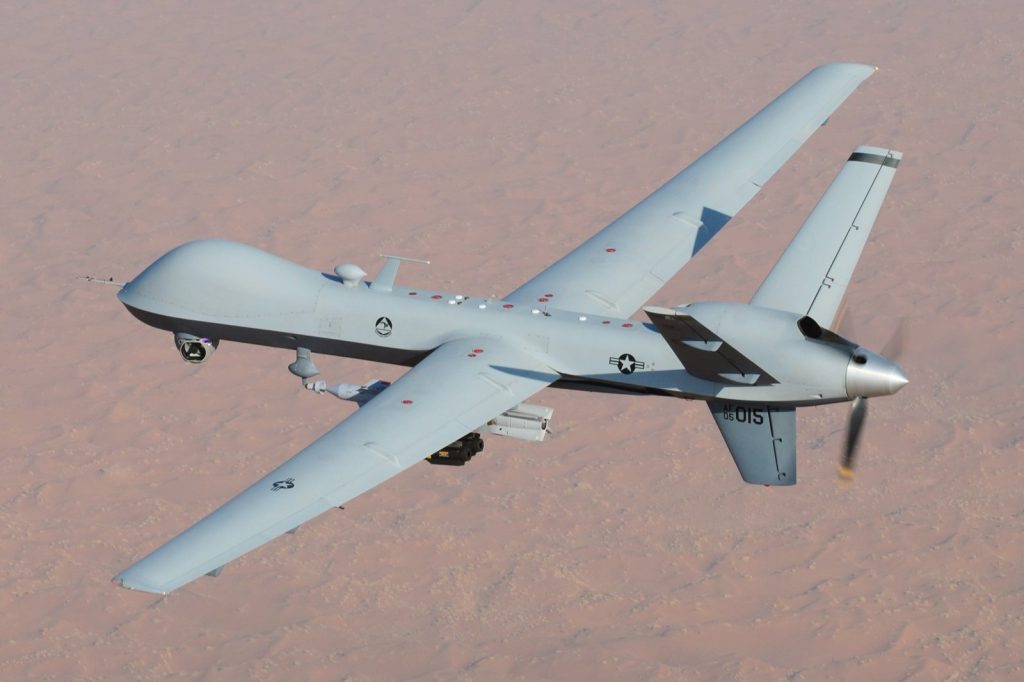
Unmanned systems include unmanned combat aerial vehicles (UCAVs), weaponized commercial UAVs, unmanned surface vehicles, unmanned underwater vehicles, and unmanned ground vehicles. Man-portable small UAVs and micro air vehicles provide low-altitude, short-range support. As of 2019, nations with operational UCAVs included China, France, Greece, India, Iran, Iraq, Israel, Italy, Pakistan, Poland, Russia, South Korea, Turkey, the United States, the United Kingdom, and Ukraine.
Military applications range from reconnaissance and kamikaze missions to logistical support, bomb disposal, training, medical evacuation, electronic warfare, and
This transformation reflects a broader shift in modern warfare, where unmanned systems have evolved from experimental tools to core components of military strategy. The development of drones has been driven by advances in artificial intelligence, miniaturized sensors, and long-endurance power systems, enabling these platforms to perform roles once reserved for human-operated aircraft or ground units.
Nations have increasingly integrated drones into their defense frameworks not only for their cost-effectiveness but also for their ability to operate in high-risk environments without endangering personnel. The proliferation of drone technology has also blurred traditional distinctions between civilian and military applications, as commercial off-the-shelf drones are frequently adapted for military use, complicating export controls and arms regulations. The strategic significance of drone warfare extends beyond the battlefield, influencing global military doctrine and international relations.
The ability to conduct precision strikes, gather real-time intelligence, and project power without direct confrontation has altered deterrence calculations and crisis dynamics between states. This has prompted nations to invest heavily in counter-drone technologies, including electronic warfare systems, directed-energy weapons, and kinetic interceptors designed to neutralize or disrupt unmanned threats. The emergence of drone warfare as a dominant feature of 21st-century conflict underscores a broader trend toward automation and remote operations in military affairs, with long-term implications for arms races, ethics, and the future of warfare itself.




