
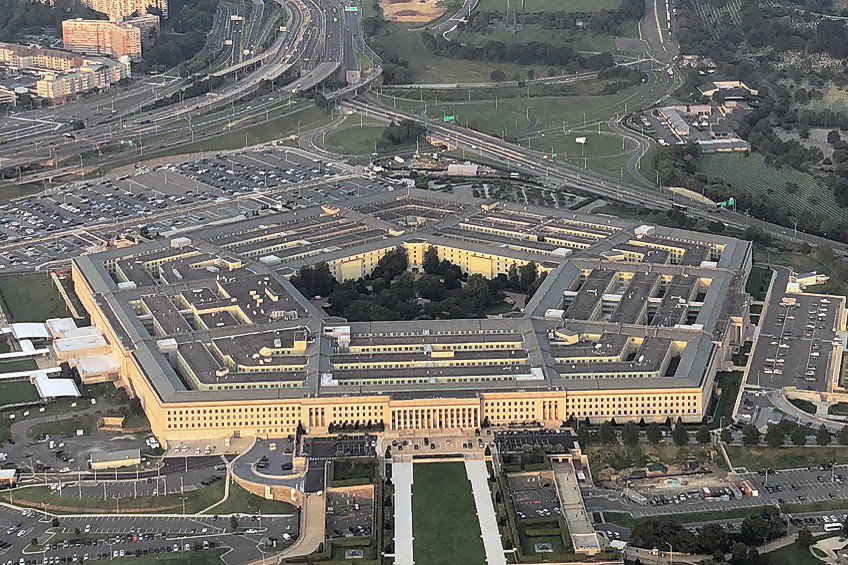
WASHINGTON, July 21 — The United States and Iran have exchanged military strikes following an attack that killed American soldiers, according to the timeline of events now emerging from Pentagon briefings. The exchange marks the most direct confrontation between the two countries since January 2020. The record shows that this latest escalation builds on more than four decades of hostility.
The 1979 Iranian Revolution and the ensuing hostage crisis — which stretched from 1979 into 1981 — set the foundation. The U.S. formally designated Iran a state sponsor of terrorism in 1984.
The Iran–Iraq War, from 1980 to 1988, cemented the Islamic Republic’s military posture.
A timeline of pressure and retaliation
The Joint Comprehensive Plan of Action, negotiated in 2015, was intended to roll back Iran’s nuclear program in exchange for sanctions relief. The U.S. withdrawal from that deal in 2018 triggered a reimposition of economic penalties. U.S. sanctions have cut Iran’s oil exports from 2.5 million barrels per day in 2017 to under 500,000 barrels per day in 2020.
Inflation in Iran has exceeded 40 percent. In April 2019, the administration designated the Islamic Revolutionary Guard Corps a Foreign Terrorist Organization — the first time the U.S. had formally labeled a component of another government’s military as a terrorist entity.
The IRGC remains at the center of Iran’s projection of force across the region. On January 3, 2020, a U.S. drone strike in Baghdad killed Qasem Soleimani, the commander of the IRGC’s Quds Force. Iran responded five days later with ballistic missiles targeting the Ain al-Asad airbase in Iraq, which housed U.S. troops.
No American service members were killed in that strike, but dozens were diagnosed with traumatic brain injury.
The current flashpoint
Now, in July 2026, an attack that killed U.S. soldiers has prompted a fresh cycle of military action. The U.S. has deployed the USS Abraham Lincoln carrier strike group to the region. The exchange of strikes risks dragging in the broader Middle East and threatening global oil markets.
The Strait of Hormuz, through which roughly 20 percent of global oil transit passes, sits at the strategic center of the confrontation. Iran has in past crises threatened to block the strait; the current escalation revives those concerns.
Sources familiar with the administration’s thinking described the strikes as calibrated, intended to degrade Iran’s ability to attack U.S. forces without broadening the conflict into a full-scale war. Iran’s government, which has long portrayed the United States as the primary source of regional instability, has promised further retaliation. What to watch next is whether the confrontation remains contained to direct U.S.–Iran exchanges or expands to include proxy forces in Iraq, Syria, Yemen, and Lebanon.
The history of the past six years suggests that each cycle of strike and counterstrike has raised the risk of miscalculation.




