
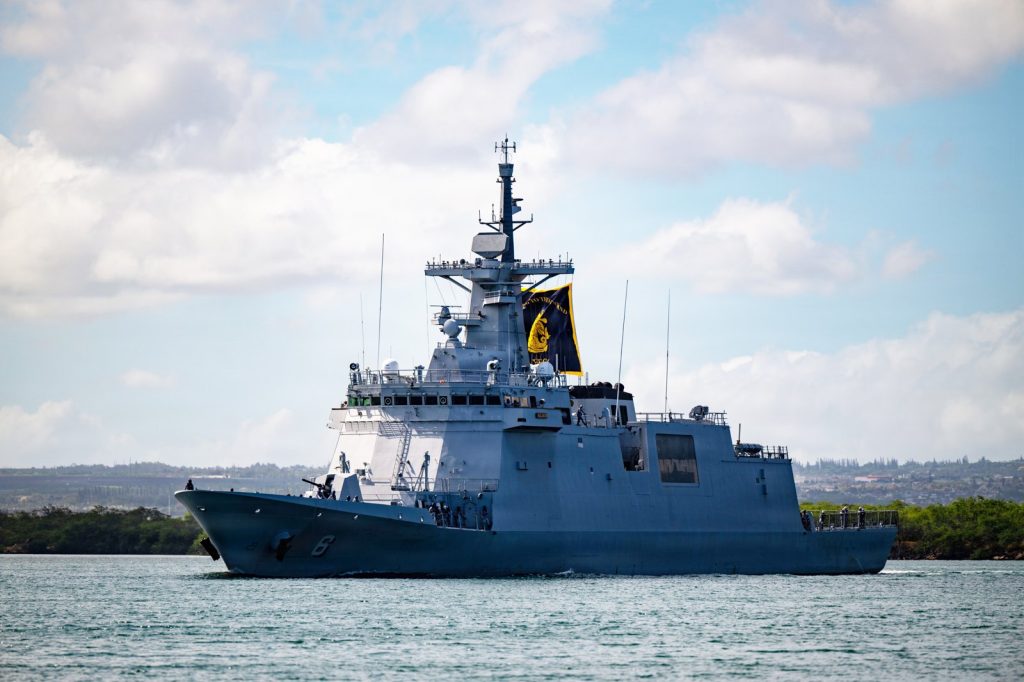
MANILA, July 20 — More than two years after a naval ramming incident set off a fresh diplomatic confrontation in the South China Sea, the dispute between the Philippines and China remains locked in a pattern of low-intensity friction, with neither side willing to escalate to direct military engagement but both digging in on their legal and operational positions.
On June 17, 2024, a collision between vessels — the details of which both governments have described differently — prompted the Philippines to summon Chinese Ambassador Huang Xilian and issue a formal diplomatic protest. China’s Foreign Ministry responded by calling for restraint and accusing the Philippines of violating Chinese sovereignty.
Since then, the standoff has not escalated to an armed clash, but it has not de-escalated either, according to state and international reports.
Options on the table
A range of potential next steps has been outlined in regional analyses. The Philippines may conduct further resupply missions to its outposts under Philippine Navy escort, and could file a new international legal case building on the 2016 arbitral ruling that rejected China’s expansive maritime claims. Officials in Manila have also been considering whether to invoke the Mutual Defense Treaty with the United States if the situation worsens.
For its part, China is expected to continue enforcing its claims through coast guard actions — deploying its civilian maritime law enforcement vessels rather than military ships — a pattern it has maintained for years. Beijing has so far avoided direct military confrontation, even as it rejects the 2016 ruling and pushes back against any outside involvement.
The U.S. has meanwhile increased naval patrols and joint exercises in the region, a development that China regularly denounces. There have also been renewed calls for a binding Code of Conduct governing behaviour in the South China Sea. Negotiations on such a code have dragged on for years, and ASEAN remains divided, with some member states supporting China’s position.
Economic and institutional pressures
The dispute is being watched closely beyond the diplomatic and military spheres. Global shipping firms and insurers have begun monitoring the situation, and may impose higher war-risk premiums on vessels transiting the area — a move that would raise costs for trade routes that carry trillions of dollars in goods each year. If the economic consequences become severe enough, the account indicates, the International Maritime Organization or the United Nations Security Council could be triggered to intervene.
Experts predict the conflict will remain low-intensity unless a major miscalculation occurs — a collision of naval forces, or an attempt to forcibly change the status quo on a reef or shoal. The Philippines retains legal leverage from the 2016 ruling, but its military options remain limited.
China holds the advantage in naval and coast guard assets deployed in the area.
Regional history and outlook
The South China Sea has long been a flashpoint in Asia-Pacific geopolitics. The 2016 ruling by the Permanent Court of Arbitration — which China refuses to recognize — declared that China’s claims to historical rights within the so-called nine-dash line had no legal basis. That ruling still forms the legal foundation of Manila’s position, even as its enforcement remains effectively impossible without foreign military backing.
The June 2024 incident did not fundamentally alter that calculus, but it deepened the sense among regional analysts that the standoff is a long-term structural feature of the Indo-Pacific security environment. As of mid-2026, the situation remains tense but contained, with all parties signalling they want to avoid war while maintaining their core positions.




