
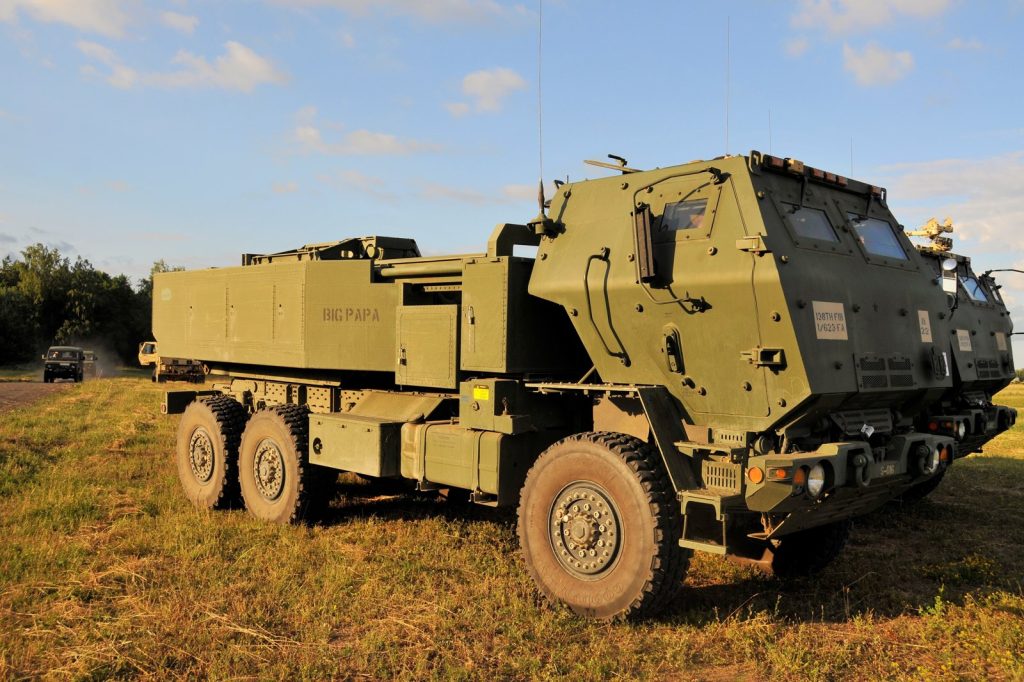
BRUSSELS, July 15 — The mechanics of the Western military aid pipeline to Ukraine, now in its fourth year since the full-scale invasion began, reveal a massive but increasingly scrutinized financial commitment. The United States has committed over $75 billion in total aid since February 24, 2022, with more than $44 billion of that designated specifically for security assistance. The European Union and its member states, meanwhile, have committed over €35 billion in military support.
The catch, on closer reading of the public record, is that these headline figures mask a complex system of appropriations, delivery timelines, and political bottlenecks that have at times slowed the flow of critical hardware. The hardware itself tells a story of evolving battlefield requirements.
Key systems include M142 HIMARS rocket artillery, M1 Abrams tanks, Leopard 2 tanks, Patriot air defense systems, and the F-16 fighter jets—pledged in 2023 with deliveries still ongoing as of early 2025. Each platform represents a different strategic calculation: HIMARS for precision strike, tanks for armored breakthroughs, Patriots for protecting critical infrastructure, and F-16s for contesting airspace. The sheer variety underscores how the conflict has become a live-fire test bed for Western defense industrial capacity.
On the American side, the legislative architecture rests on two pillars. The Ukraine Security Assistance Initiative, a recurring funding mechanism, allows the Pentagon to contract for future weapons production.
The Lend-Lease Act of 2022, signed into law on May 9, 2022, streamlined the executive branch’s authority to lend or lease military equipment—a procedure not used on this scale since World War II. The catch is that Lend-Lease, by design, focuses on future deliveries rather than immediate transfers from existing stockpiles, creating a lag between authorization and arrival on the front lines. Follow the money and the political delays become visible.
As of early 2025, NATO allies continue to provide training and equipment, though some aid packages have faced political delays. These pauses have real consequences: a gap in ammunition resupply or a delayed batch of armored vehicles can shift the tactical balance on a given sector of the front. The pattern of congressional wrangling over each new supplemental package remains a structural vulnerability in the support system.
The European contribution, at over €35 billion in military aid, is not a single pot of money but a mosaic of national pledges, EU-administered funds, and bilateral agreements. Germany’s Leopard 2 tanks, for example, required months of diplomatic coordination before export licenses were granted and crews trained.
The F-16 program, involving multiple NATO air forces, has faced similar coordination challenges. The result is that the headline number—impressive as it is—does not translate directly into combat power on a predictable schedule. What to watch next.
The F-16 deliveries, still ongoing, will determine whether Ukraine can challenge Russian air superiority in the medium term. The political calendar in Washington, with future budget battles looming, will test whether the bipartisan consensus on Ukraine aid holds.
And the European Union’s own defense industrial base, stretched by the demands of resupplying both Ukraine and its own depleted arsenals, will face increasing pressure to ramp up production. The numbers are large, but the gap between commitment and capability remains the story to track.




