
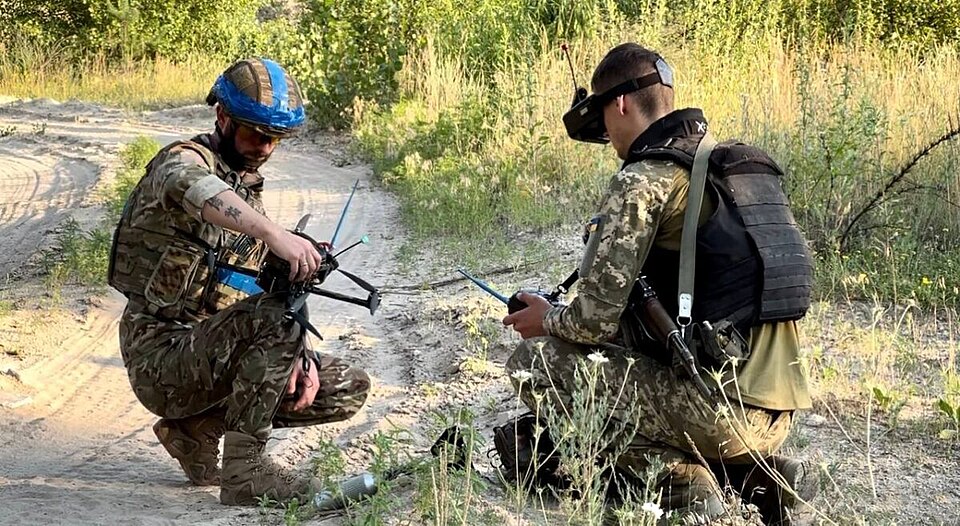
MOSCOW, July 13 — The mechanics here are familiar, but the stakes are rising. Following Ukrainian drone strikes on Stavropol Krai and Moscow Oblast on April 27, 2024, the Kremlin is now weighing a sharper response in its campaign against Ukrainian energy infrastructure. The catch is that this escalation cycle has its own internal logic, and neither side appears ready to break it.
Russia has been systematically targeting Ukraine’s power grid since October 2022. Ukrainian officials put the damage at a stark figure: 50% of the country’s power generation capacity has been destroyed.
On closer reading, that is not just a tactical blow but a structural one, designed to degrade Ukraine’s ability to sustain industrial production and civilian life through another winter. The question now is whether Moscow will double down on this strategy or shift resources toward defending its own territory. Follow the air defense systems.
Russia may deploy more S-400 systems to protect key sites inside its borders. These systems have a range of 400 kilometers, which means they can cover a significant arc of western Russia, including the oil refineries and storage facilities that Ukraine has increasingly targeted with drones.
The trade-off is clear: every S-400 moved to protect Russian soil is one less system available for front-line operations in Ukraine. Ukraine, for its part, shows no intention of halting its drone campaign. The strikes on April 27 were a demonstration of reach, hitting targets deep inside Russian territory.
Kyiv may now expand its targeting to include more oil refineries and storage depots, aiming to disrupt Russia’s fuel supply chain and revenue streams. The logic is symmetrical: degrade the other side’s capacity to wage war. The conflict, which began on February 24, 2022, shows no signs of de-escalation.
Both sides are locked in a cycle of attack and retaliation, each seeking to degrade the other’s military capabilities. The April 27 strikes may also prompt Western allies to reconsider the restrictions they have placed on using their weapons for strikes inside Russia.
That would be a significant shift, one that could alter the geography of the battlefield and the calculus in Moscow. The key variable remains Western policy. If allies loosen the leash on long-range strikes, Ukraine gains a new tool.
If they hold the line, the drone campaign continues, but with less precision and punch. Either way, the fundamental dynamic persists: two powers grinding each other down, with energy infrastructure as both target and prize.




