
TEHRAN, April 28 — Iran’s Islamic Revolutionary Guard Corps Navy announced the closure of the Strait of Hormuz until further notice today, according to reports from Iranian state media. The narrow waterway, approximately 21 miles wide at its narrowest point, sits between the Persian Gulf and the Gulf of Oman. It is a critical chokepoint for global oil shipments.
The U.S. Energy Information Administration reports that about 20% of the world’s petroleum passes through the strait daily. The IRGC Navy operates as a branch of Iran’s military separate from the regular navy.
It has previously threatened to close the strait in response to sanctions or military tensions. Today’s announcement follows heightened U.S.-Iran tensions, including the U.S. deployment of additional naval assets to the region earlier in 2025. No immediate comment has been reported from the U.S. Fifth Fleet, based in Bahrain, or from international shipping organizations.
Iran has not provided a reason for the closure or a timeline for reopening the waterway.
What this means for the region
For communities across Asia that rely on steady energy supplies, the closure carries immediate consequences. Major oil producers including Saudi Arabia, Iraq, Kuwait, and the United Arab Emirates depend on the Strait of Hormuz to export their petroleum. Any prolonged disruption could affect supply chains reaching as far as the Philippines, Japan, South Korea, and other import-dependent economies across the region.
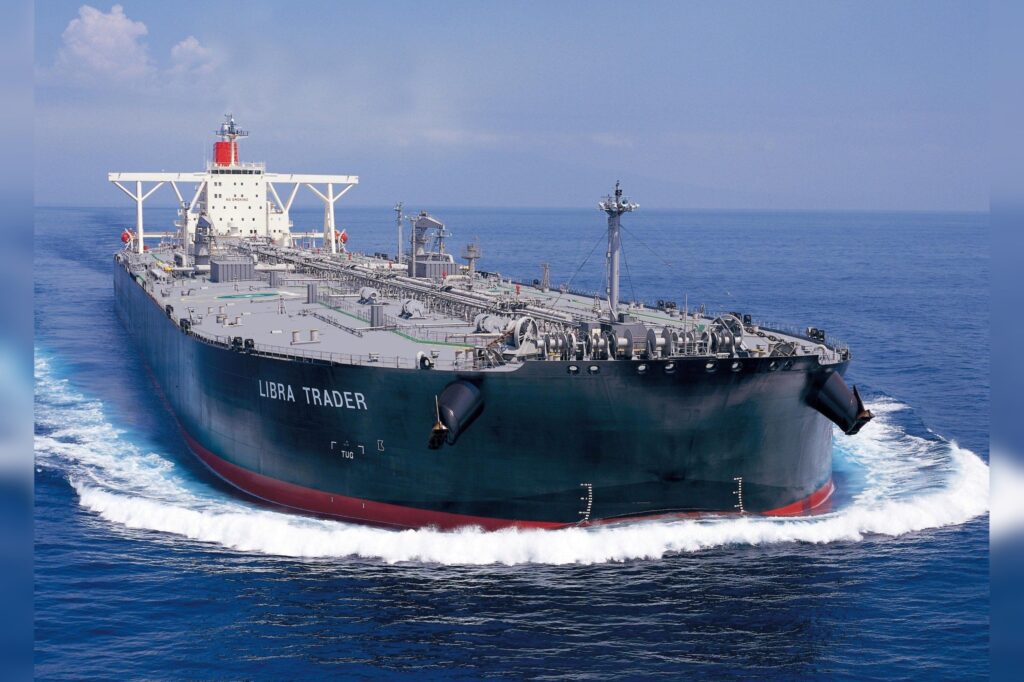
The strait’s closure means tankers carrying crude oil and liquefied natural gas cannot pass through the 21-mile-wide channel. Alternative routes are limited and would add significant time and cost to deliveries.
Background and context
The IRGC Navy has long positioned itself as a force capable of controlling access to the Persian Gulf. Previous threats to close the strait have come during periods of heightened tension between Tehran and Washington, particularly when sanctions have tightened or when military posturing has escalated on either side. The U.S. administration under President Donald Trump has maintained a firm posture toward Iran, with Vice President JD Vance and Secretary of State Marco Rubio involved in shaping policy.
The deployment of additional naval assets to the region earlier this year signaled Washington’s readiness to respond to any disruption in the waterway.
What to watch next
The key question now is how long the closure will last. Iran has given no timeline for reopening. International shipping organizations and the U.S. Fifth Fleet have yet to issue statements. For families and businesses across Asia that depend on stable energy prices, the coming days will reveal whether this is a short-term maneuver or the beginning of a prolonged crisis in one of the world’s most vital maritime passages.




