
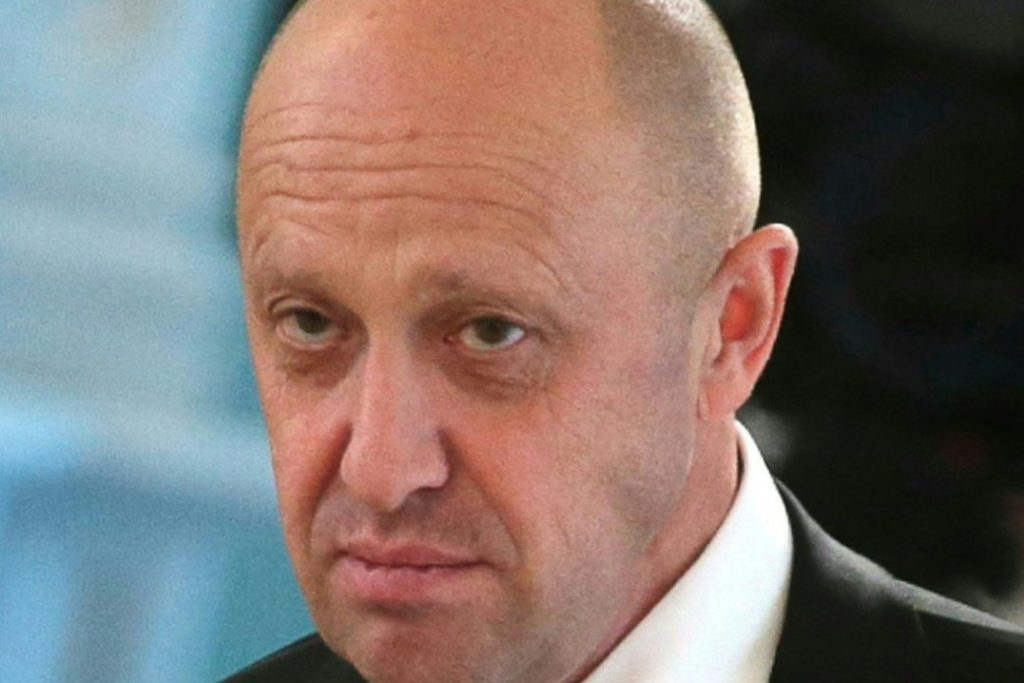
On 23 August 2023 an Embraer Legacy 600 business jet went down near Kuzhenkino, about 100 km north of Moscow, in Russia’s Tver Oblast. Ten people on board lost their lives, among them Yevgeny Prigozhin, the founder of the Wagner Group, and two of his senior lieutenants, Dmitry Utkin and Valery Chekalov.
The aircraft, which had been linked to Prigozhin since 2018, was built in Brazil and had been barred from entering the United States because of sanctions tied to Prigozhin’s alleged role in the 2018 U.S. election interference. The jet departed from Moscow and, according to Flightradar24, displayed irregular altitude changes before entering a steep descent that ended in the crash.
Visual evidence from the wreckage points to a structural failure, and Western intelligence services have assessed that an explosion most likely caused the accident. Russian official statements have been muted, while foreign leaders have highlighted the incident’s broader significance.
The timing of the crash is striking. It occurred exactly two months after Prigozhin led the Wagner Group in an armed uprising against the Kremlin in June 2023. The rebellion saw Wagner forces march toward the capital before halting following a negotiated settlement. The crash therefore follows a period in which the Wagner Group, a state‑funded private military company, had openly challenged Moscow’s military leadership.
Prigozhin’s death, together with the loss of Utkin— a former military‑intelligence officer whose call sign gave the group its name— and Chekalov, who managed logistics and finances, creates a leadership vacuum at the top of Wagner. Observers note that the group’s contracts, fighters and financial streams now lack clear direction, raising questions about who will assume control.
Wagner continues to operate in Ukraine, Syria and several African nations, but the removal of its three senior commanders could affect its cohesion. Moscow had already begun a process of bringing the mercenary outfit under tighter state control before the crash; the incident may accelerate that integration or provoke internal struggles among loyalists who viewed Prigozhin as their commander.
Embraer’s Legacy 600 model is generally regarded as a reliable business jet that does not normally suffer catastrophic structural failure without external cause. The abnormal altitude variations recorded before the crash, followed by a rapid plunge, support the hypothesis of an in‑flight explosion rather than a mechanical malfunction.
Prigozhin’s background adds further context. He built a catering empire that evolved into a mercenary network, was sanctioned by the United States for meddling in the 2016 U.S. election, and faced indictment for election interference. He fought in Ukraine, publicly criticized the Russian defence ministry, and ultimately turned his private army against the Kremlin.
While Russian authorities have offered little detail, the convergence of a known Prigozhin‑linked aircraft, the sudden explosion‑like crash, and the proximity to the anniversary of the Wagner rebellion has led many analysts to view the event as more than an accident. The investigation remains opaque, but the surrounding circumstances suggest a politically charged episode.
What follows remains uncertain. Wagner’s operational capabilities, its chain of command and the Kremlin’s approach to the group will shape the next phase of Russia’s use of private military forces. The crash, which eliminated the organization’s top leadership, may either streamline Moscow’s control over Wagner or spark further turmoil among its ranks.




