
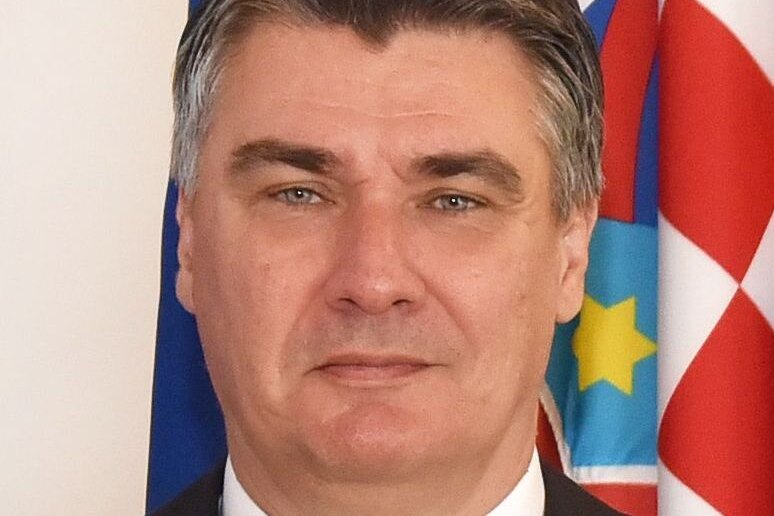
Croatia will hold a runoff presidential election on January 5, 2020, following a first round on December 22, 2019, in which no candidate secured a majority. The announcement comes just two days before the country assumes the rotating presidency of the European Union for the first time. The ruling conservative party had hoped to retain the presidency ahead of taking on the EU chairmanship, though critics questioned the timing of the initial vote, noting it fell three days before Christmas when many citizens travel abroad.
Nearly 4 million voters were eligible to choose from 11 candidates in the first round, but only three emerged as serious contenders. Liberal former Prime Minister Zoran Milanović led with approximately 30% of the vote.
Incumbent President Kolinda Grabar Kitarović finished second with nearly 27%, while right-wing musician Miroslav Škoro placed third with about 24%. These results mean Kitarović and Milanović will advance to the second round in early January. Despite her second-place finish, analysts suggest Kitarović may have an advantage in the runoff, as other right-leaning candidates have been eliminated.
She characterized the first round as a “10-on-one battle” and urged supporters and right-wing voters to unite behind her candidacy. Milanović, meanwhile, argued that the better candidate should win the country’s highest office, stating he believes he is that person.
He expressed hope for a “civilized race” rather than a divisive contest, noting that Croatia has long been split along party lines. The next president will hold more than ceremonial duties, as the role includes overseeing the United Kingdom’s departure from the European Union and subsequent post-Brexit trade negotiations. The European Commission has noted that the UK’s withdrawal will carry significant implications for EU policies and programs. The Croatian Government has stated its commitment to playing an active role in the EU and contributing to the development of its policies.
As the runoff approaches, both candidates are preparing for an intense campaign. Kitarović is emphasizing unity among right-leaning voters, while Milanović is promoting his vision for the country’s future.
The OSCE Office for Democratic Institutions and Human Rights has described the election as an important opportunity for citizens to exercise their voting rights and influence their country’s direction. The runoff is expected to be closely contested, with both candidates seeking support from voters who backed other contenders in the first round. Citizens are awaiting an outcome that will shape Croatia’s approach to EU relations, economic growth, and social welfare.




