
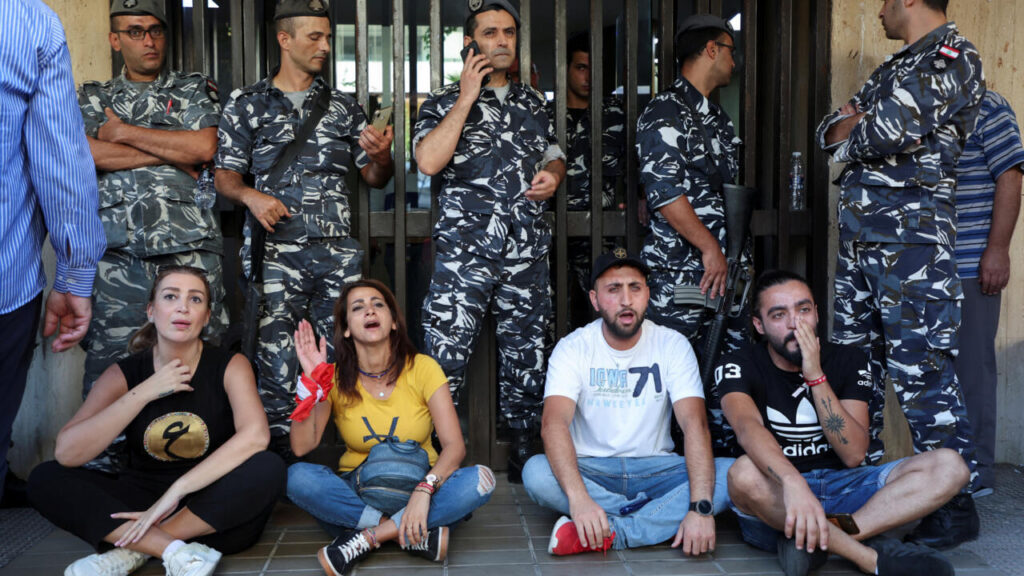
The Lebanese liquidity crisis, which became fully apparent in August 2019, continues to affect the country, with the situation further exacerbated by the COVID-19 pandemic, the 2020 Beirut port explosion, and the Russian invasion of Ukraine. As of January 15, 2023, the crisis has led to significant economic and social challenges for the Lebanese population. The country’s economy was already experiencing liquidity shortages in the years prior to 2019, but the full extent of the fragility was concealed through financial engineering by the governor of the central bank.
However, the crisis was worsened by sanctions targeting Syria’s former government and Iran-backed Hezbollah, which intensified under Donald Trump. These sanctions have had a significant impact on Lebanon’s economy, contributing to the current crisis.
The Lebanese currency has been severely devalued, with a significant decline in its value. As of January 15, 2023, the currency has lost a substantial portion of its value, leading to high inflation rates. The annual inflation rate in 2023 has been reported to be 221.3%, making it difficult for households to afford basic necessities.
The devaluation of the currency and high inflation rates have resulted in a significant decrease in the purchasing power of the Lebanese population. The crisis has also led to the collapse of public services, including the provision of electricity and drinking water.
Households can expect only an hour or so of power a day without using a private generator, and shortages of drinking water have contributed to disease outbreaks. The country has reported cholera cases, which is a significant concern for public health. The lack of access to basic services has made it difficult for households to maintain a decent standard of living.
The social impact of the crisis has been severe, with many families struggling to make ends meet. Parents have been forced to send their children to orphanages because they cannot feed them, highlighting the desperate situation faced by many households. Furthermore, a growing number of citizens have resorted to armed robbery as a means to extract their own deposits, which are now vastly reduced.
This has led to concerns about safety and security in the country.
Humanitarian Concerns
The humanitarian situation in Lebanon is a major concern, with many households struggling to access basic necessities like food, water, and healthcare. The crisis has led to a significant increase in poverty and inequality, with vulnerable populations, including children and the elderly, being disproportionately affected. The international community has been called upon to provide assistance to alleviate the suffering of the Lebanese population.
As the crisis continues to unfold, it is essential to monitor the situation closely and watch for any developments that may impact the Lebanese population. The international community will be closely watching the situation, and any efforts to address the crisis will be crucial in alleviating the suffering of the Lebanese people.
The coming months will be critical in determining the trajectory of the crisis, and it is essential to remain vigilant and provide support to those affected.




