
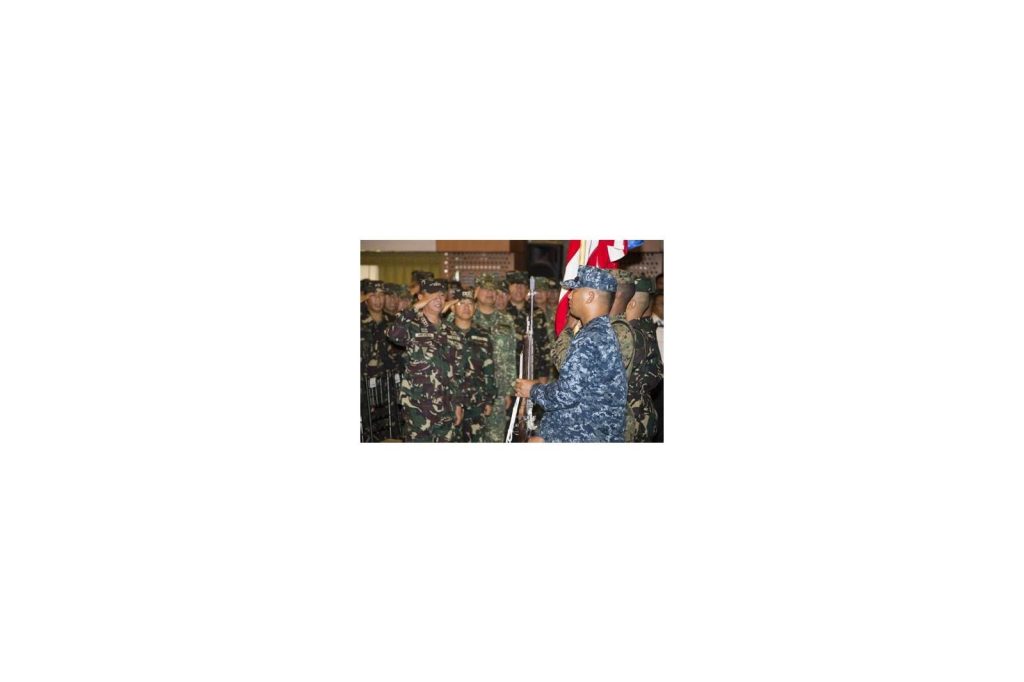
On 21 November 2023, Manila and Washington began coordinated maritime and aerial patrols in the South China Sea, an initiative announced by Philippine President Ferdinand Marcos Jr. The operation, launched from the waters off Mavulis Island – the Philippines’ northernmost point – is intended to improve military interoperability and counter what Manila describes as increasing Chinese aggression in the disputed sea. The patrols involve three Philippine navy vessels, two FA‑50 light combat aircraft and an A‑29B Super Tucano light‑attack plane. Joining them, the United States contributes a littoral combat ship and a P‑9A maritime patrol and reconnaissance aircraft.
The combined force will move westward from the Batanes islands, a route that places it near one of the most contested maritime zones worldwide, roughly 100 km from Taiwan. According to Eugene Cabusao of the Northern Luzon command, the focus of the initial patrol will be the area surrounding Mavulis, underscoring the strategic significance of the location.
The joint presence is meant to signal a unified stance on freedom of navigation and adherence to international law, a point emphasized by Manila‑based maritime expert Jay Batongbacal, director of the Institute for Maritime Affairs and Law of the Sea. Batongbacal said the patrols demonstrate that “the Philippines is really firming up its posture on West Philippine Sea issues,” highlighting the need to protect the country’s exclusive economic zone, which has been repeatedly challenged by Chinese vessels operating under the expansive “nine‑dash line” claim. The move comes amid a marked deterioration in Manila‑Beijing relations.
President Marcos Jr. has described the South China Sea situation as “more dire than before,” citing the proximity of Chinese military assets to the Philippine coastline. In response, the Philippines has nearly doubled the number of bases accessible to U.S. forces, reflecting a broader shift away from the previous administration’s China‑leaning posture.
Beijing’s foreign ministry condemned the patrols as “provocative actions” and warned against foreign interference. Nonetheless, Chinese militarisation of artificial islands and frequent patrols have heightened regional instability, affecting neighbours such as Brunei, Indonesia, Malaysia and Vietnam. Analysts note the risk of inadvertent clashes, but argue that a visible deterrent may be preferable to allowing unchecked Chinese encroachment on the Philippines’ exclusive economic zone.
The joint patrols also reaffirm the relevance of the U.S.–Philippines Mutual Defense Treaty as a cornerstone of regional security. In sum, the launch of these coordinated patrols marks a pivotal turn in the Philippines’ strategy toward China, aligning more closely with a democratic ally rather than accommodating an authoritarian rival.
The operations will test the durability of the U.S.–Philippines alliance and gauge China’s tolerance for increased foreign presence in the contested waters. For now, Manila and Washington are sending a clear message: they will safeguard their interests and uphold international law in the South China Sea.




