
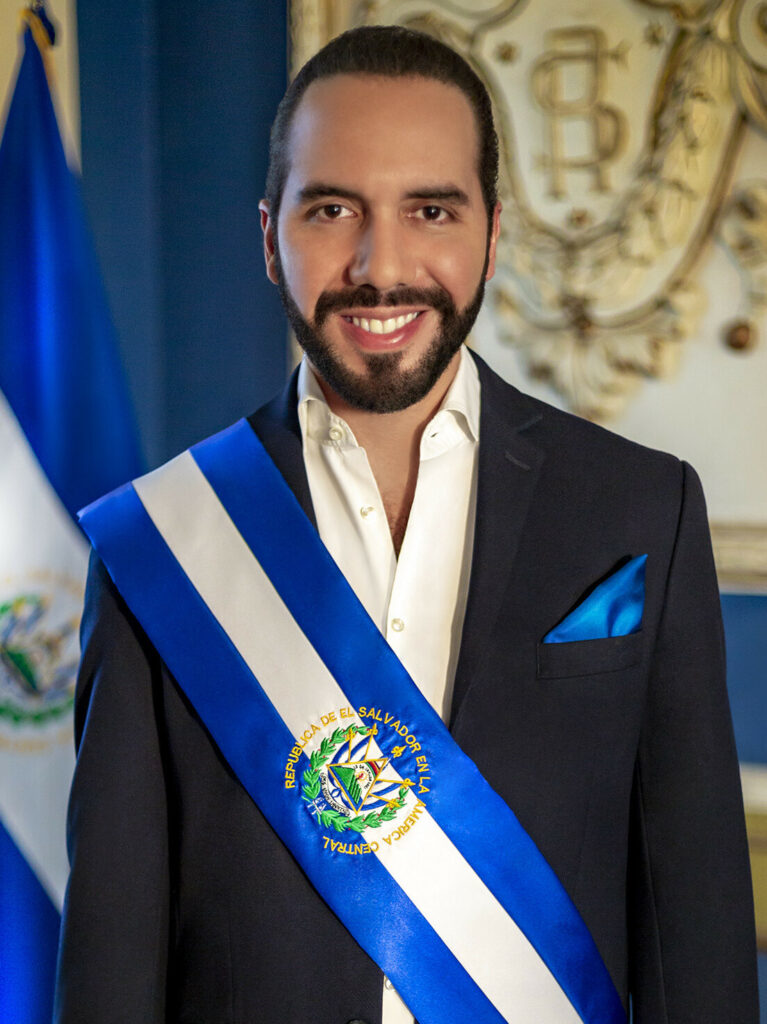
On March 3, 2024, voters across El Salvador cast ballots to select all 44 mayors and municipal councils, along with all 20 deputies to the Central American Parliament. The election represents a key moment in the nation’s democratic processes, giving citizens the opportunity to influence local governance and regional representation. As vote counting proceeds and official results emerge, international observers are paying close attention, particularly in the United States, which maintains longstanding diplomatic and economic ties with El Salvador.
The country, home to approximately 6.2 million people as of 2010, has a notably young population, with 32.1 percent under the age of 15. This demographic characteristic may shape the electoral landscape as younger Salvadorans seek to make their voices heard and advocate for change.
The Salvadoran diaspora, especially those living in the United States, is also monitoring the elections closely. Given the strong connections between the two countries, the election outcomes could influence bilateral relations and cooperative efforts. A significant number of Salvadorans reside in the U.S., and the results may affect future policy discussions between the two governments. The electoral process underscores El Salvador’s dedication to democratic governance and institutional strengthening.
The United States, which has consistently promoted democratic stability in the Western Hemisphere, views these elections as a positive development. The U.S. president has repeatedly highlighted the importance of robust democratic institutions in the region, and the Salvadoran elections align with that objective.
Given the substantial economic and security assistance the U.S. provides to El Salvador, American policymakers and diplomats are expected to closely follow the results. Unlike some neighboring countries, El Salvador has made notable progress in consolidating its democracy and fostering economic growth. While nations such as Venezuela and Nicaragua continue to face challenges related to authoritarianism and economic instability, El Salvador has pursued a different course, working to strengthen its relationship with the United States and other Western allies.
The March 3 elections are a central part of this strategy, as Salvadorans aim to build a more prosperous and secure future. Once the election results are finalized, attention will shift to the challenges confronting the newly elected mayors, municipal councils, and Central American Parliament deputies.
These officials will face a broad agenda, including addressing poverty and inequality, promoting economic development, and enhancing security. With continued international support, including from the United States, El Salvador is positioned to build on the foundations established by previous administrations and electoral cycles. The elections mark a significant step in El Salvador’s democratic journey.
As the U.S. and other Western nations maintain their engagement with the country, the outcomes of this vote are expected to have meaningful implications for the broader region. With its democratic institutions, growing economy, and youthful population, El Salvador appears poised for continued progress, shaped by the choices and aspirations of its people.




