
Rescue Operation in the English Channel Triggers Wider Strain on Services
On the morning of December 29, rescue vessels pulled forty‑five individuals from the waters of the English Channel. Four of those rescued were taken directly to hospital for urgent care, while three bodies were recovered from the sea.
The survivors received on‑scene treatment for hypothermia before being handed over to authorities. The immediate aftermath highlights a longer chain of consequences. Each of the forty‑five people now enters an asylum system that is already operating at full capacity.
They will require temporary shelter, legal assistance and medical screening. The United Kingdom’s processing centres, which already face a backlog that takes years to clear, will see this new arrival add to the queue.
The four people who needed hospital care place additional pressure on intensive‑care units, demanding extra beds, nursing staff and interpreters. Local health trusts absorb these costs without prior warning, stretching already tight budgets. The three deceased remain unidentified in the official report.
Their bodies have been transferred to a coroner in Kent for examination. Identification proceeds slowly, raising the possibility that families in the migrants’ countries of origin may never learn what happened.
The Channel, as often noted, does not readily surrender its dead. Such incidents are not isolated. The English Channel is the world’s busiest shipping lane, with vessels traversing the Strait of Dover every few minutes.
In December the water is cold enough that hypothermia can set in rapidly. Although the shortest crossing measures about thirty‑four kilometres, prevailing currents and weather conditions frequently turn that distance into a perilous journey.
French maritime authorities initiated the rescue operation, while the British Coast Guard coordinated the response from the UK side. Both nations maintain patrols, drones and surveillance systems designed to intercept boats, return people and process claims. Despite these measures, the flow of attempts has not been halted.
Underlying drivers — armed conflict, economic hardship and climate‑related pressures — remain unaddressed. Consequently, the loss of life on December 29 should be viewed as a symptom of a broader, persistent issue rather than an unexpected anomaly.
The pattern that follows such events is predictable. Politicians issue statements, with some advocating stricter deterrence and others urging the creation of safer legal pathways. These arguments have been repeated for years, yet no policy shift has succeeded in lowering the death toll. For many desperate individuals, the perceived benefits of reaching the UK continue to outweigh the risks posed by the crossing.
Those who survived will be processed under the Illegal Migration Act. Their asylum claims are subject to strict time limits, meaning a significant proportion may be deemed inadmissible.
If the Rwanda relocation scheme ever becomes operational, some could be transferred there; others risk disappearing into informal work arrangements. The existing asylum infrastructure was not built to handle volumes of this magnitude. It creaks under the added load, and strains, affecting local communities in Kent and Sussex.
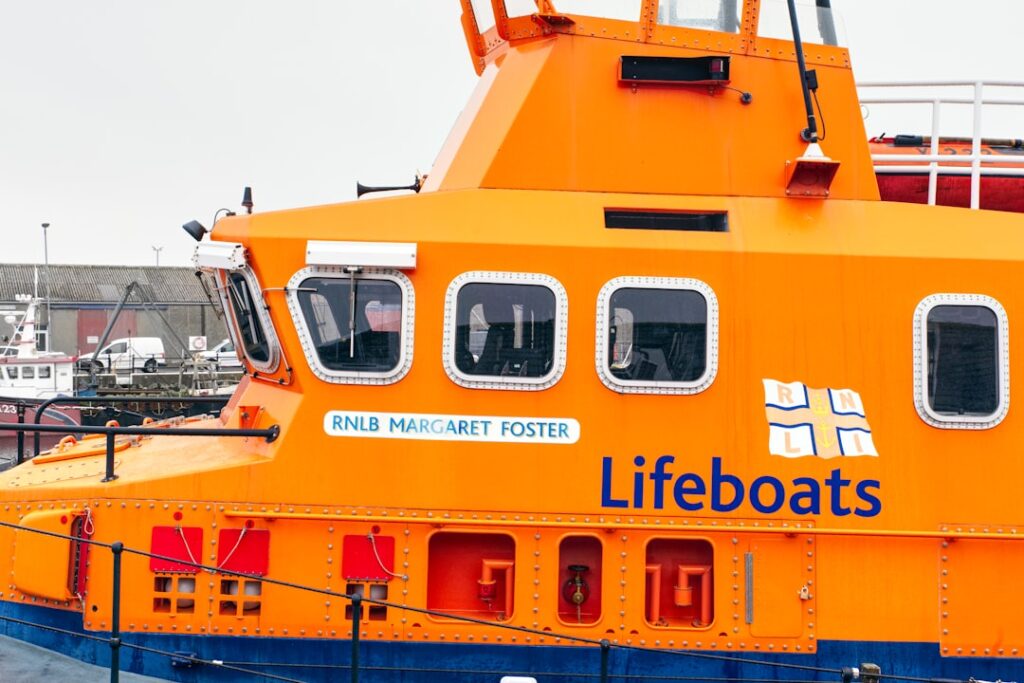
Rescue lifeboats launch regularly, ambulances line the docks, and volunteers arrive with blankets and dry clothing. Similar scenes unfold every few weeks, making the human cost visible on the beaches while the political repercussions are measured in Westminster.
Following the December 29 rescue, no comprehensive solution emerged, no new funding was announced and no diplomatic breakthrough followed. The operation itself was swift and the medical response professional, yet the deaths were preventable and they occurred nevertheless. This cycle is likely to repeat unless the underlying causes are confronted.




