
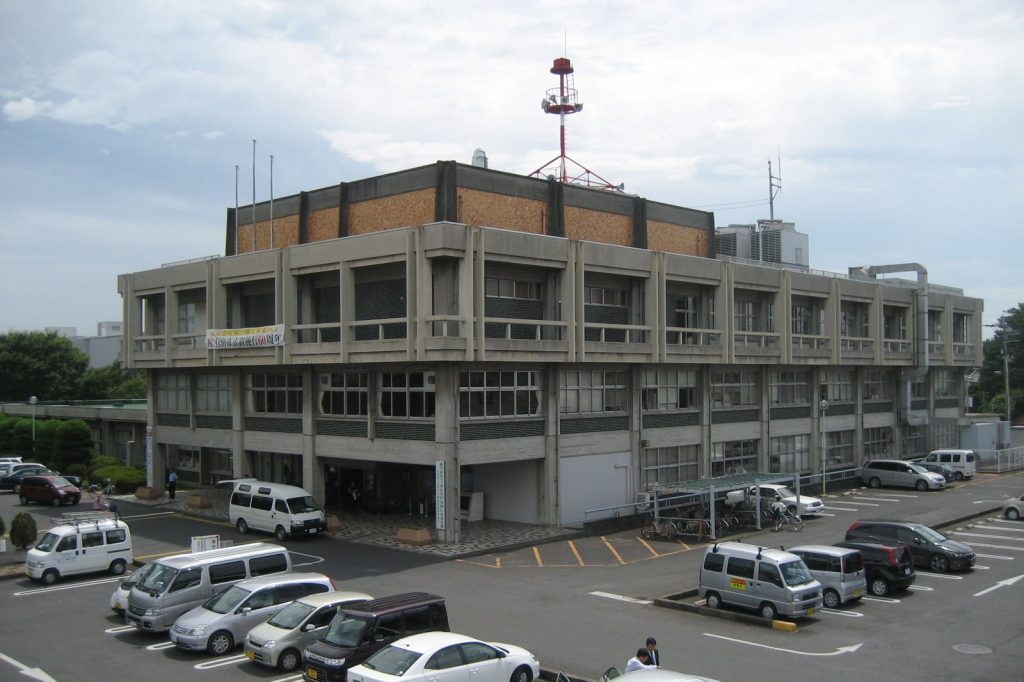
An industrial accident in Gyōda, Saitama Prefecture, Japan, on August 3, 2025, has left four workers dead after they were exposed to toxic hydrogen sulfide gas while inspecting sewage pipes. The victims fell into a manhole where the gas had accumulated to lethal concentrations, underscoring the persistent dangers faced by personnel maintaining underground sewer infrastructure. Hydrogen sulfide, a common hazard in sewerage systems, forms when organic matter in sewage decomposes.
It can build up in confined spaces such as manholes and chambers, posing severe health risks. In high concentrations, the gas can cause respiratory failure, neurological damage, and death.
Workers typically rely on personal protective equipment, including respirators and gas detectors, to mitigate these risks, but the Gyōda incident demonstrates that such measures can fail due to equipment malfunction, insufficient training, or unexpected conditions. The sewerage system is an extensive network of pipes, pumping stations, screening chambers, and receiving drains that transport sewage and stormwater to treatment facilities or discharge points. Many cities operate combined sewer systems, where stormwater and sewage flow together, increasing both pollution risks and hazards for maintenance crews.
Regular inspection and upkeep of these components are essential to ensure proper function, but the work exposes employees to toxic gases, physical hazards, and the challenges of confined spaces. This tragedy has reignited concerns about worker safety in aging sewer infrastructure.
In numerous countries, sewer systems are deteriorating and require upgrades or replacement, a situation that can heighten accident risks. As urban populations grow, demand for effective and safe sewage networks will only intensify. Investment in modern, efficient, and secure infrastructure is critical for protecting public health, preserving the environment, and safeguarding workers.
Beyond immediate safety improvements, experts note that sustainable practices can reduce the environmental footprint of sewerage operations. Some municipalities now use renewable energy sources, such as solar and wind power, to run treatment plants and pumping stations.
This approach lowers reliance on fossil fuels, cuts energy costs, and strengthens community resilience against power disruptions. Moving forward, prioritizing the development of safe, efficient, and sustainable sewerage systems requires a combination of infrastructure investment, enhanced safety protocols, and innovative technologies. By addressing these areas, authorities can reduce the likelihood of accidents like the one in Gyōda, protect public health, and preserve natural ecosystems for future generations. The incident serves as a stark reminder that the well-being of workers and the environment must remain central to the planning and management of essential urban services.




