
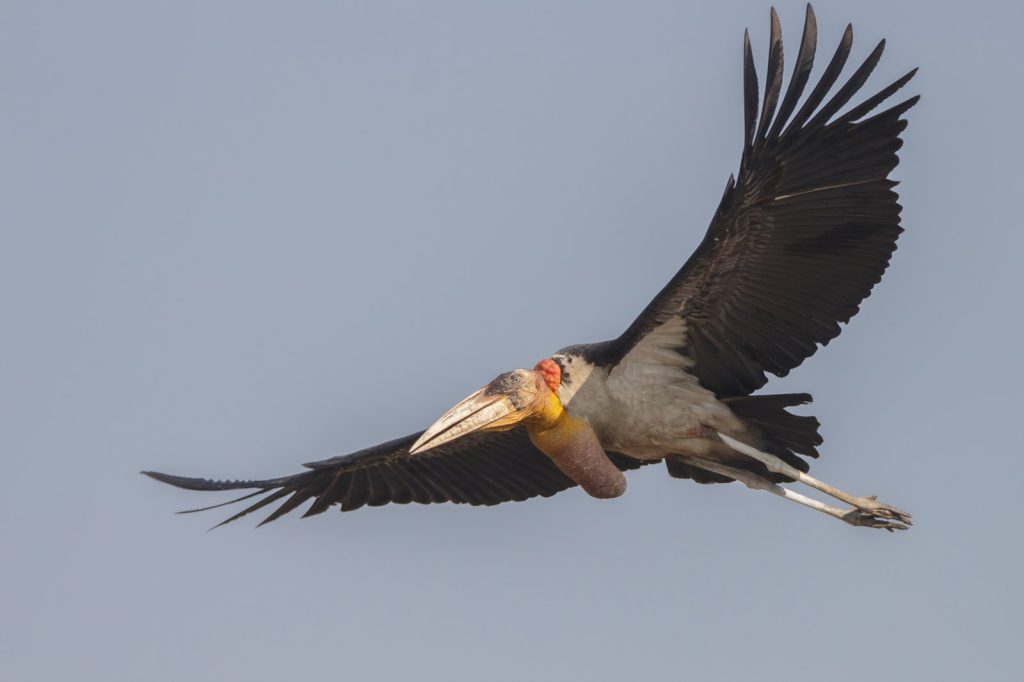
On November 19, 2025, two captive‑bred greater adjutant storks were set free inside the Siem Pang Wildlife Sanctuary in Cambodia. Each bird carries a miniature GPS tracker that will transmit location data to researchers. This marks the first time the species has been released with such monitoring equipment in the country.
The devices are designed to provide continuous, hour‑by‑hour information about the birds’ movements, feeding habits, and nesting attempts.
Ecological Context of the Sanctuary
Siem Pang is a protected lowland area situated in a nation whose geography is shaped by water. Cambodia’s landscape is dominated by the confluence of the Mekong River and the Tonlé Sap, the largest lake in Southeast Asia. The tropical climate and extensive plains create a rich yet fragile ecosystem that supports birds, mammals, and reptiles.
The sanctuary is regarded as an important site for conservation because it offers a relatively undisturbed environment where a tagged bird can be followed without the interference of roads or dense human settlement.
What the Trackers Will Reveal
Greater adjutant storks are easily recognized by their bare, scaly heads and massive wedge‑shaped bills. Once common across Southeast Asia, the species has been driven to the brink by habitat loss, leaving a wild population that has shrunk dramatically.
Cambodian conservation groups responded by breeding the birds in captivity and releasing them—a step never taken before in the country. Dr. Sok Ko, a leading Cambodian conservationist, described the release as a crucial step and said the GPS data will deliver valuable insights into the birds’ behavior and habitat use. For the first time, researchers will obtain a detailed, real‑time view of where an adjutant goes, what it eats, and where it attempts to nest.
Implications and Next Steps
The release involves only two individuals, but it represents a pioneering effort that establishes a baseline for future work. If the tracker data show the birds are thriving, additional releases could follow. If the birds encounter difficulties, the information will pinpoint the causes—whether predators, food scarcity, or human encroachment.
The trackers are expected to provide an unbiased record of the birds’ experiences. Although the greater adjutant is not a showy species—being a scavenger that appears ancient and awkward on the ground—its decline signals deeper problems in the wetlands and forests it depends on.
Restoring its population therefore means restoring those habitats. Dr. Sok Ko expressed cautious optimism, noting that the transmitters turn a single release into a long‑term study and convert hope into data. For now, the two birds move somewhere within the sanctuary, their transmitters pinging as researchers watch the incoming signals.
The birds themselves are unaware that they carry the weight of a species’ recovery, but the information they provide may prove essential for that very goal.




