
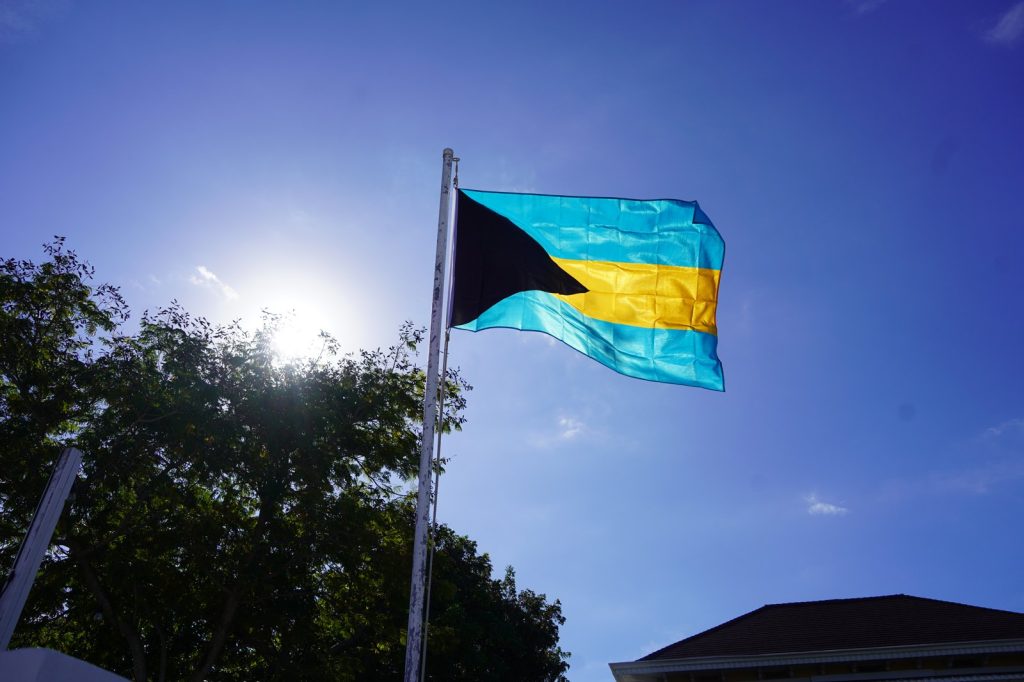
The Commonwealth of the Bahamas has formally recognized Kosovo as an independent state, becoming the 110th country to do so. The decision, announced this week, adds another chapter to a Balkan dispute that has persisted for more than a decade.
Nassau, the capital and largest city, is located on New Providence Island, one of approximately 700 islands comprising the Bahamas. The nation’s territory spans 470,000 square kilometers of ocean space in the Atlantic Ocean, near the coast of Florida. Its economy relies heavily on tourism from the United States and financial services linked to Western markets.
For Kosovo, each new recognition carries strategic weight. The tally of 110 nations represents a majority of United Nations member states, though far from universal.
Every addition weakens Serbia’s position that Kosovo remains its southern province rather than a sovereign state. Serbia, supported by Russia and China, has conducted an active diplomatic campaign to prevent Kosovo from joining the United Nations and other international organizations. The Bahamas’ decision aligns with Washington’s stance on the issue.
The United States has supported Kosovo’s independence since 2008, and most European Union members have followed suit. The Bahamian government, a pro-Western nation with strong ties to the U.S., was unlikely to side with Belgrade.
Recognizing Kosovo carries no cost for the Bahamas in terms of trade or security, while declining to do so would have placed it at odds with the U.S. administration, which has encouraged allies to grant recognition. Kosovo’s recognition campaign has focused significantly on the Western hemisphere in recent years. A number of Caribbean and Latin American countries have recognized Pristina, and the Bahamas now joins that list.
The momentum appears to be moving in favor of the Kosovar government, though the pace remains slow. Serbia continues to lobby against Kosovo’s independence in Africa, Asia, and South America.
The timing is notable given ongoing tensions between Kosovo and Serbia. In northern Kosovo, ethnic Serbs have clashed with Kosovar authorities. Belgrade still refuses to accept Kosovo’s statehood.
The European Union has attempted to mediate a normalization agreement, but progress has stalled. Each new recognition, even from a small Caribbean nation, strengthens Kosovo’s position in those negotiations and makes reversing independence seem less feasible.
For the Bahamian government, the decision involved no historical ties to the Balkans or a politically significant Serbian diaspora. The foreign ministry evaluated the issue, consulted with Washington, and proceeded. The outcome provides a boost for Kosovo, a success for U.S. diplomacy, and a modest but meaningful shift in international consensus. While the Bahamas is not a major power, diplomatic numbers carry weight.
Each addition makes it more difficult for Serbia to characterize Kosovo’s independence as a temporary anomaly.




