
A renewed conflict between Ethiopia and Eritrea would destabilize regional trade, worsen refugee crises, and threaten food supplies across the Horn of Africa, affecting millions.
Background of Ethiopia-Eritrea Tensions and Recent Escalation
Between 2020 and 2022, a civil war was fought in Tigray, Ethiopia’s northernmost region, between the Tigray People’s Liberation Front (TPLF) and an Ethiopian-Eritrean coalition. In response, the US put an arms embargo on Ethiopia, sanctioned Eritrea’s army and senior officials, and things simmered down. On September 18th, Washington removed that embargo and those sanctions. Five days later, the TPLF launched an offensive against neighboring Ethiopian provinces, citing an alleged Ethiopian attack and a desire to topple the prime minister in Addis Ababa, Abiy Ahmed.
Impact on Regional Trade Routes and Port Access
The Horn of Africa is a region of significant geopolitical and strategic importance, situated along the southern boundary of the Red Sea and extending into the Gulf of Aden, Guardafui Channel, and Indian Ocean. It shares a maritime border with the Arabian Peninsula. Ethiopia and Eritrea control key access points to the Red Sea and Gulf of Aden, which are vital for regional trade. Disruption to these routes would affect the movement of goods through Djibouti, a major transit point for landlocked Ethiopia, and threaten shipping lanes used by Gulf-bound trade. The United Arab Emirates, which backs the rebel side, the RSF, in neighboring Sudan’s civil war, is a likely supplier of high tech drones for the Ethiopians. Eritrea supports the Sudanese government. Egypt does as well, which has inflamed tensions with Ethiopia.
Effects on Refugee Movements and Humanitarian Conditions
Tens of thousands of migrants from the Horn of Africa travel through Djibouti and across the Bab el-Mandeb Strait every year toward Gulf countries in search of safety and economic opportunities. Meanwhile, travelling in the opposite direction, in recent weeks, at least 2,000 Yemenis have received aid in Djibouti as the fighting has escalated in Yemen between the Saudi-backed, internationally recognised government and Iranian-backed Houthi rebels. Scores of people die in migrant boat tragedy off Horn of Africa. At least 139 people, including children, have died after a boat carrying more than 300 migrants capsized off the coast of Djibouti. The boat, which set off from Djibouti in the Horn of Africa, was on its way to Yemen when it capsized in the early hours of Friday. About 82 people survived. Reporting the shipwreck on Sunday, the International Organisation for Migration (IOM) described the shipwreck as one of the deadliest recorded on the Eastern Route, which runs from the Horn of Africa to the Arabian Peninsula. The IOM specified that the number of those who drowned only includes those buried by authorities in Djibouti. Others have been buried by the migrants themselves but they won’t be added to the official count until authorities can verify the bodies. IOM Chief of Mission in Djibouti, Alexandre Coissac, told AP news agency that the victims were buried with no names, in a common grave, like in a war situation. They all have a mother, a father, and we may never learn what happened. Coissac said, explaining that the ship sank soon after departure, close to shore, mainly because it was overcrowded. At least 84 people remain missing, and the death toll is expected to rise.
Threats to Food Security and Agricultural Production
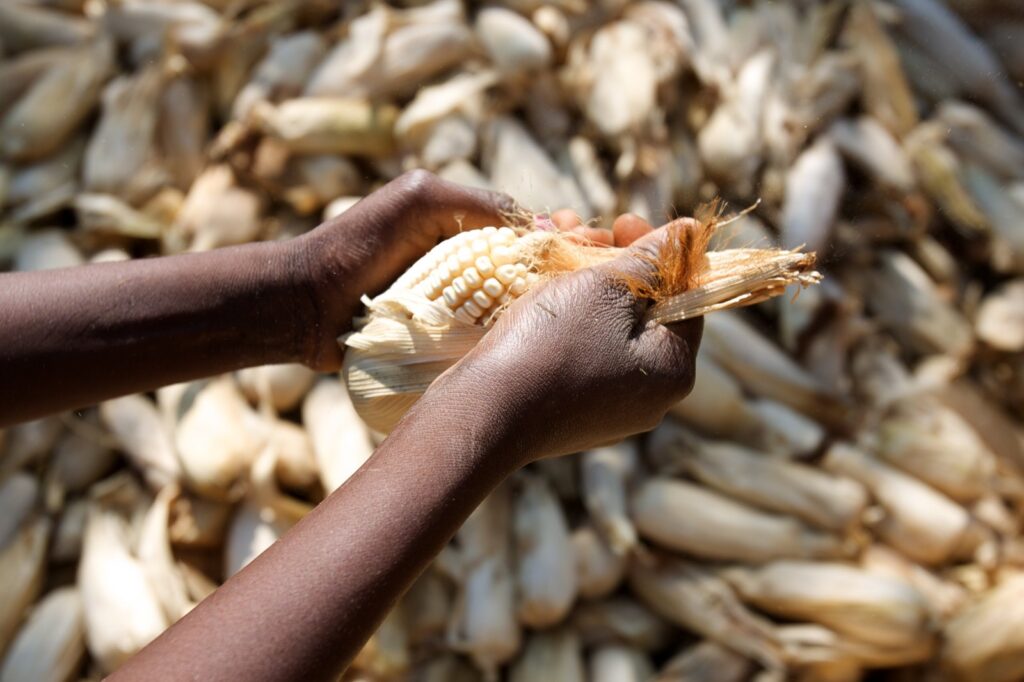
A renewed conflict would disrupt farming cycles and displace rural communities in Ethiopia and Eritrea, both of which rely heavily on rain-fed agriculture. The Tigray region, already devastated by the 2020-2022 war, remains vulnerable to further violence that could destroy crops, livestock, and farming infrastructure. Displacement of farmers would reduce local food production and increase dependence on aid. With trade routes disrupted, food imports could be delayed or blocked, raising prices and limiting access for urban and rural populations alike. Humanitarian organizations warn that any escalation would worsen existing food insecurity, particularly among children and displaced families.
Risks to Neighbouring Countries like Somalia, Djibouti, and Sudan
Instability in Ethiopia and Eritrea would spill over into Somalia, Djibouti, and Sudan, all of which host refugees and rely on regional stability for trade and security. Somalia continues to face internal conflict and climate shocks, making it highly vulnerable to refugee inflows and cross-border militia activity. Djibouti, already a key hub for migration and humanitarian aid, could see increased pressure on its resources as more people flee violence or seek assistance. Sudan, where the UAE backs the RSF and Eritrea and Egypt support the government, risks further entanglement in a proxy dynamic that could escalate violence along its eastern borders. The interconnected nature of these crises means that a war between Ethiopia and Eritrea would not remain isolated but would amplify challenges across the entire Horn of Africa.
Potential Regional And International Responses
The international community, including organizations such as the United Nations and the African Union, may need to intervene to prevent further escalation of the conflict. Diplomatic efforts, such as mediation and negotiation, could be used to try to resolve the conflict peacefully.
Regional powers, such as Egypt and the United Arab Emirates, may also play a role in shaping the response to the conflict. Egypt, which has historically been involved in regional politics, may try to use its influence to broker a peace agreement or provide support to one side or the other. The United Arab Emirates, which has been involved in the conflict in Yemen, may also try to use its military and economic resources to shape the outcome of the conflict.
The international community may also need to provide humanitarian assistance to those affected by the conflict, including refugees and displaced persons. Organizations such as the International Organization for Migration and the United Nations High Commissioner for Refugees may play a key role in providing aid and support to those in need.
Geopolitical Significance of the Horn of Africa
The Horn of Africa, also known as the Somali Peninsula, is the fourth largest peninsula in the world and comprises Somalia, Djibouti, Ethiopia, Eritrea, and the partially recognised state of Somaliland. The region protrudes from the continent in a shape resembling a horn, extending hundreds of kilometres into the Gulf of Aden, Guardafui Channel, and Indian Ocean. It shares a maritime border with the Arabian Peninsula, positioning it along the southern boundary of the Red Sea. This geography makes the area a critical chokepoint for global shipping lanes and regional trade, linking the Mediterranean via the Suez Canal to the Indian Ocean.
Anthropologically, the term “Horn Africans” refers specifically to Cushitic and Ethio-Semitic speaking peoples who constitute the core historical population of the peninsula. The region has been known since antiquity by names such as Regio Aromatica and Bilad al Barbar, reflecting its historical role in the frankincense and spice trades. Today, the interconnected nations share distinct genetic structures, cultural traits, and Afroasiatic languages, creating deep societal links that mean political instability in one state inevitably reverberates across the others.
Sources
- Horn of Africa
- A New War in the Horn of Africa
- Scores of people die in migrant boat tragedy off Horn of Africa – Vatican News
Photo: Stephen Morrison/Africa Practice (CC BY 2.0)




