The House Armed Services Committee’s markup of the Fiscal Year 2027 National Defense Authorization Act is not just a routine budget exercise. It is a bet on where the next fight is heading, and a quiet admission that some old fights are still not settled.
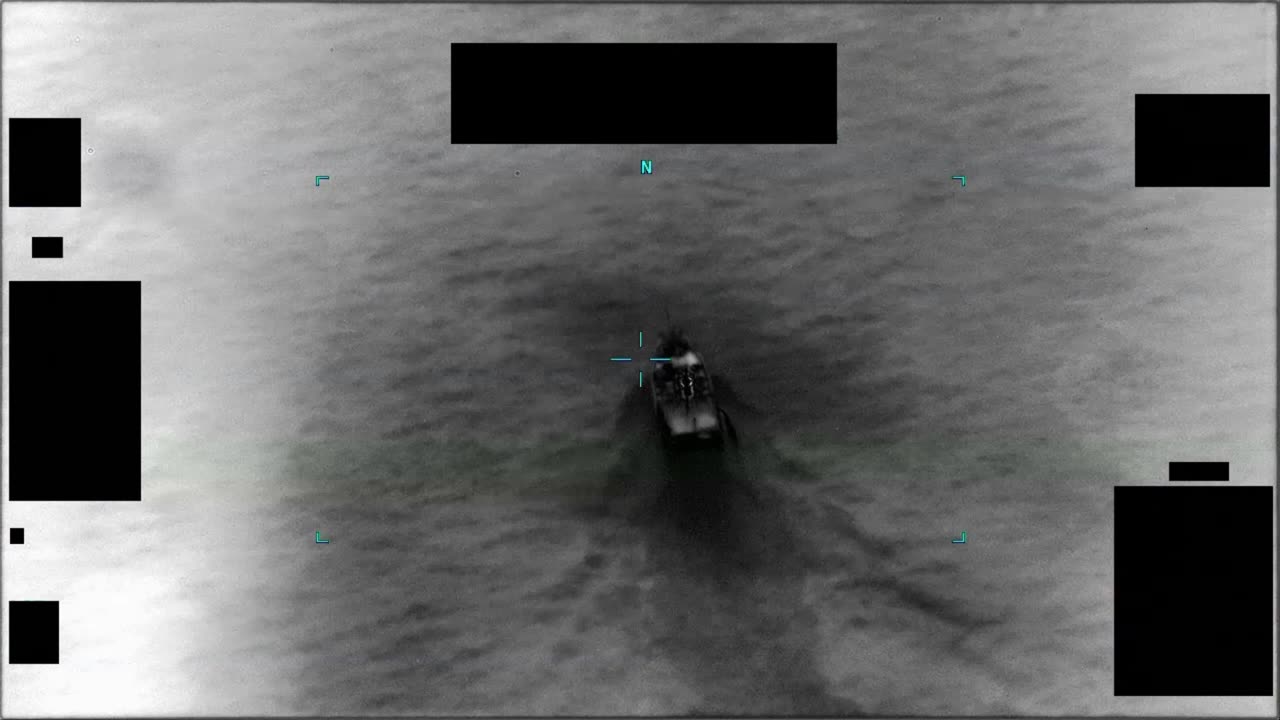
The bill’s provisions on counter-drone technology tell the clearest story. The committee is pushing for “attrition-ready, low-cost interceptor solutions.” That language is a direct response to a math problem the Pentagon has been dreading: how to shoot down a thousand-dollar drone with a million-dollar missile. The math does not work. It never did. In recent conflicts, cheap unmanned aircraft have swarmed positions, and the U.S. military has had no good answer that does not bankrupt the ammunition budget. The NDAA language reflects a hard-learned lesson. The answer, the committee suggests, is not a better missile. It is a cheaper one, and lots of them.
On a separate track, the bill revives a fight that has dragged on for years: the military’s right to repair its own gear. The provision would expand access to technical data, maintenance information, and repair resources. Right now, when a piece of equipment breaks, the military often has to go back to the original manufacturer for the fix. That means delays. It means higher costs. And in a deployed environment, it means a vehicle or a weapon sits idle while the paperwork gets sorted. The committee is trying to change that. The debate has been stuck on intellectual property. Manufacturers argue that handing over maintenance data risks their proprietary designs. Supporters counter that readiness is the price being paid for that protection. The bill is a step toward letting servicemembers and depot workers fix things themselves, without calling the contractor every time.
The A-10 Thunderbolt II, the aging ground-attack plane that the Air Force has tried to retire for years, gets another year of life under this bill. The committee is not ready to let it go. The provision is framed as oversight, but it is more than that. It is a signal that Congress still sees a role for a dedicated close-air-support platform, even as the Air Force pushes toward newer, more expensive fighters. The A-10 has survived every attempt to kill it. This bill suggests it will survive at least one more.
What ties these provisions together is a theme that runs through the entire markup: the military is preparing for a different kind of war. One where the enemy uses cheap drones in large numbers. One where supply chains are contested and repair depots are far away. One where the old assumption that the U.S. can always outspend the adversary no longer holds.
The bill is still in markup. It has a long way to go before it becomes law. But the direction is clear. The committee is forcing the Pentagon to think about cost, about readiness, and about the kinds of threats that do not show up in a traditional threat briefing. The drone problem is not going away. The repair problem is not going away. The A-10 is not going away quietly. This bill is the first move in what will be a long game.