The sensor locked on at 12 nautical miles. Then it moved.
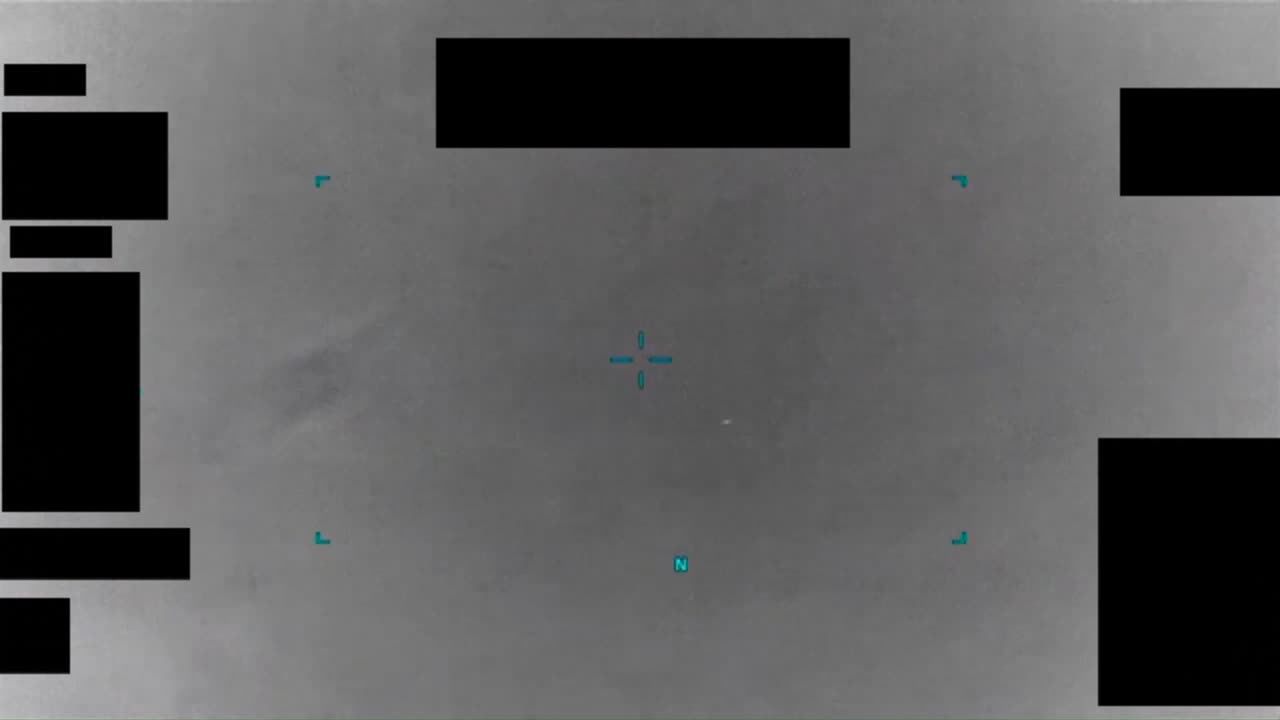
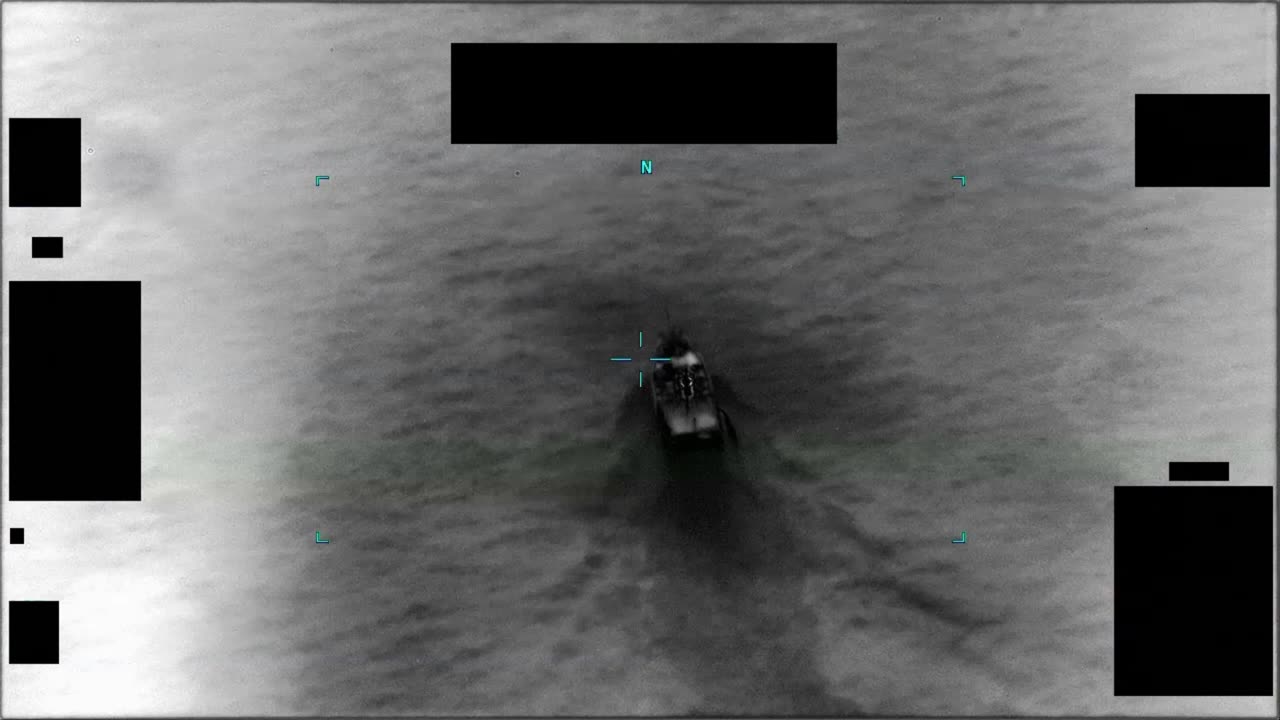
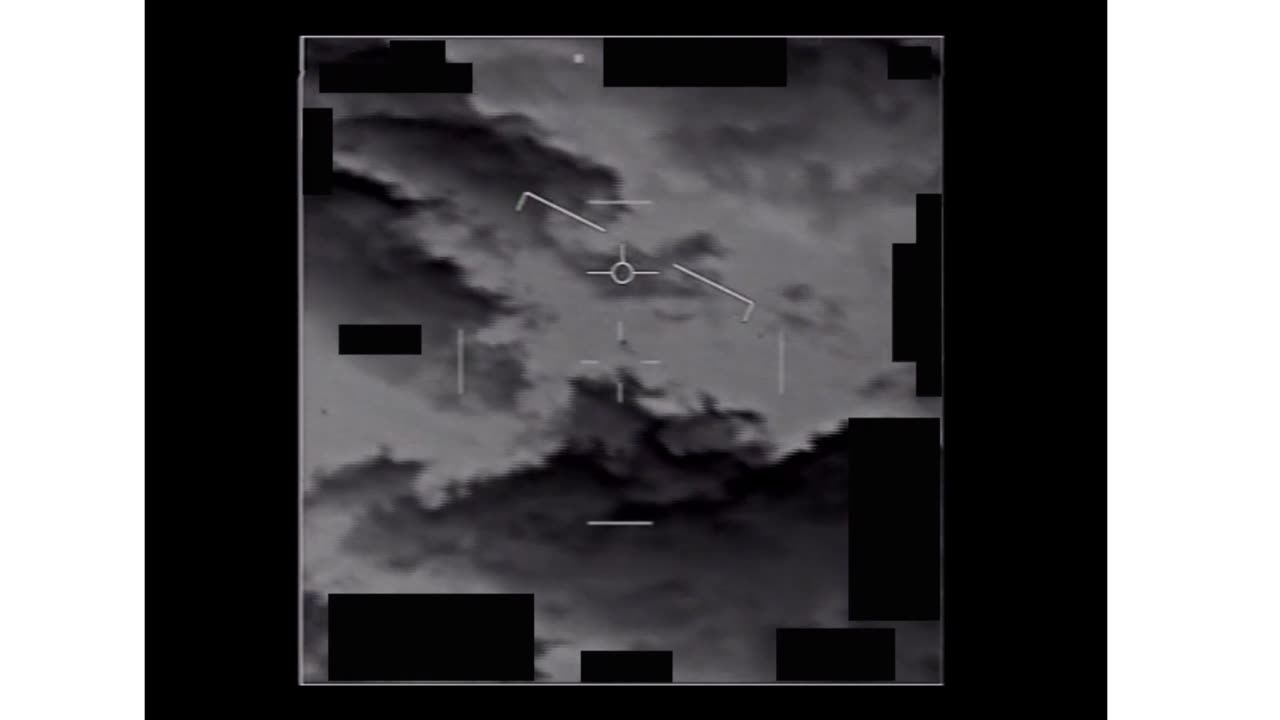
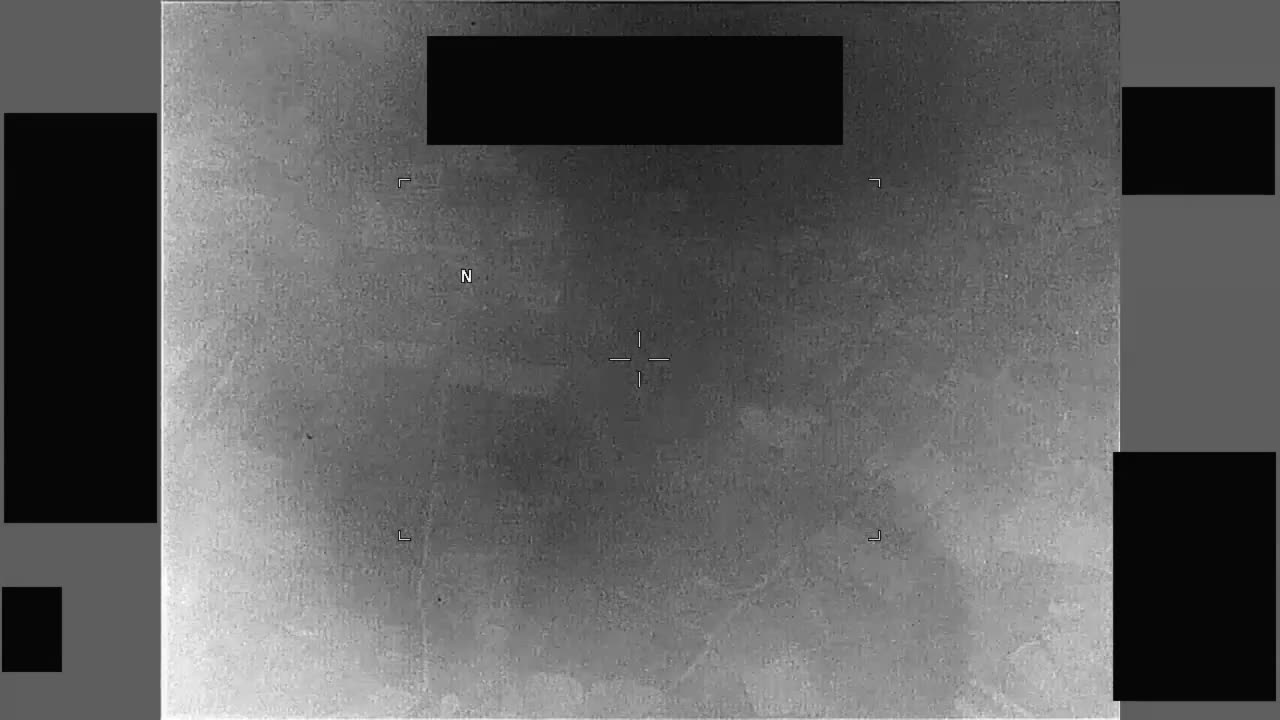
That is the cold arithmetic inside the Department of War’s newly declassified video of an unidentified aerial phenomenon over Kabul in July 2017. The footage, designated PR64 under the Pentagon’s PURSUE policy framework, was released after a review by the All-domain Anomaly Resolution Office and the Office of the Secretary of Defense. The video itself is short — 45 seconds of infrared tracking from an Air Force Special Operations Command platform. But the numbers attached to those seconds are what make the release significant.
Twelve nautical miles is the distance at which the object first appeared on radar. That is roughly 13.8 standard miles. For context, a commercial airliner at cruising altitude is visible on radar at far greater ranges. This object was not. It was picked up late, which suggests either a small radar cross-section or an approach profile that did not match normal air traffic. The sensor then locked on and began recording.
What the footage shows, according to the report accompanying the release, is a small metallic-looking object moving against a mountainous backdrop. It exhibited no visible means of propulsion. No wings. No rotor. No exhaust plume. And it did not appear on any known flight tracking systems. That last detail is important. Kabul airspace in 2017 was crowded — military transports, drones, coalition aircraft, civilian charters. All of them were tracked. This object was not.
The maneuvers are the core of the report. The object executed a rapid vertical climb, then a sharp turn, then accelerated out of the sensor’s field of view. The report states that the speed and agility “exceeded the performance characteristics of any known aircraft or drone operated by the United States or its allies.” That is a direct statement from the Department of War. It does not say “appeared to exceed” or “may have exceeded.” It says exceeded.
The Department of War has not identified the object. It has not offered an explanation. The report does not say whether the object posed a threat to the AFSOC platform or to ground forces in the area. It also does not indicate whether other sensors — on nearby aircraft or ground stations — detected the object simultaneously. Those are gaps. But the gaps are not the story. The story is that the DoW looked at the data, compared it to the performance envelope of every manned and unmanned system in the U.S. inventory and the inventories of its allies, and concluded that nothing in those inventories could match what the sensor recorded.
This is not a blurry video of a distant light. It is a radar lock, a 45-second infrared track, and a written finding that the object’s performance was beyond known capability. The release is part of the PURSUE policy framework, which the Pentagon established to standardize how UAP incidents are reported, reviewed, and — when appropriate — declassified. The Kabul footage is the latest product of that process. It is not a conclusion. It is a data point. But it is a data point with a specific range, a specific duration, and a specific set of maneuvers that the U.S. military says it cannot replicate with its own hardware.
The video was recorded in July 2017. It was declassified in 2026. Nine years passed between the event and the release. That lag is not unusual for classified sensor data. What is unusual is the clarity of the accompanying report. It does not hedge. It does not invoke sensor glitches or atmospheric effects. It states the object’s performance exceeded known capabilities and leaves the question open. That is the fact that matters. Everything else — the shape, the color, the speculation — is secondary to the report’s core finding.