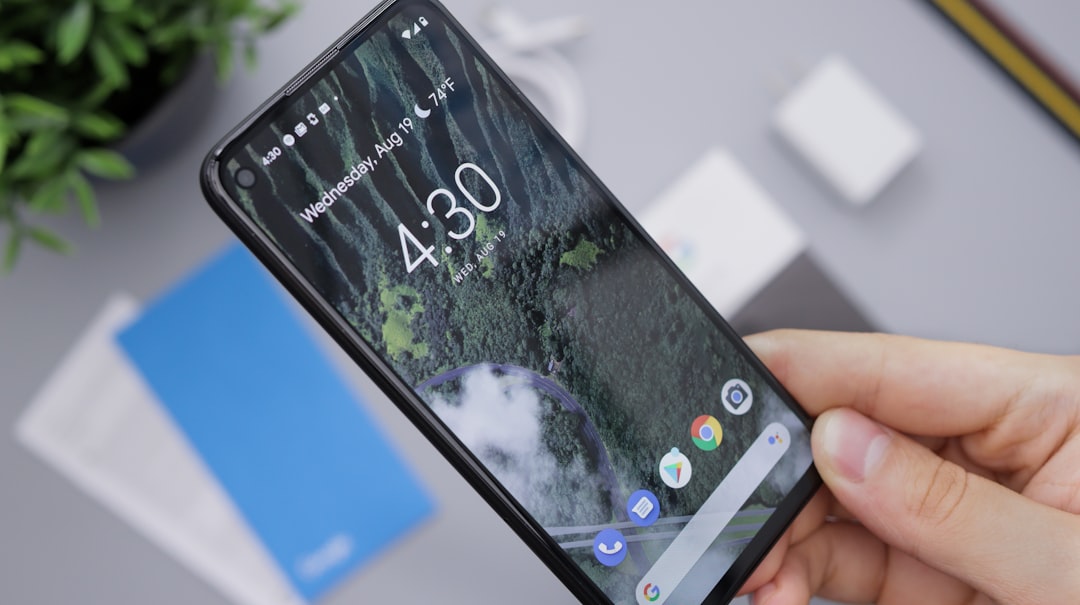
Google is betting its mobile future on a visual revolution and artificial intelligence that acts on its own. Android 17, previewed this week at an event called The Android Show, represents the first major visual overhaul of the operating system in years. The redesign, referred to in leaks as “Luminous Design,” leans hard into color, blur, transparency, and glowing interface elements. It is not a subtle refresh. It is a statement.
The stakes are concrete. Google has framed this year as one of its most significant for Android. That framing matters. The company needs to convince users that Android offers something distinct from iOS, something that justifies staying in its ecosystem. A fresh visual language is one way to do that. But the real weight of this update sits elsewhere.
That weight is Gemini Intelligence. Google is expected to deepen Gemini AI integration across Pixel devices and the wider Android ecosystem. The phrase “agentic, on-device AI features” is the key detail here. Agentic means the AI acts. It does not wait for a command. It reasons, predicts, intervenes. The possible next-generation Gemini model is said to bring gains in reasoning, speed, and multimodal capability. If those gains are real, the phone stops being a tool you operate and starts being a companion that operates alongside you.
That shift carries genuine risk. On-device AI means the phone knows more. It processes more. It decides more. Google is betting that users will trade privacy concern for convenience, but the trade is real. The company has not detailed how it will handle data boundaries or user consent for an AI that acts on its own. Those specifics remain unconfirmed.
Beyond the phone, the rumors point to something larger. A unified platform, informally called “Aluminium OS,” is said to be in development. It would merge Android and ChromeOS across phones, tablets, laptops, and desktops. If that happens, Google stops making two operating systems and starts making one. That would be the biggest structural change to its software strategy in a decade. It would also kill ChromeOS as a standalone product, a move that would ripple through the education and budget-laptop markets where ChromeOS dominates.
Other features in the pipeline include motion-based assistance, native app locking, new gesture controls, and expanded customization. Fresh details on Android XR and Google’s smart-glasses ambitions are also expected. These are not small additions. Native app locking alone addresses a long-standing security gap that third-party apps have filled poorly.
But the core question is whether Google can deliver. Many specifics remain unconfirmed until the official release. The company has a history of ambitious previews followed by delayed rollouts or scaled-back promises. The Luminous Design could dazzle in demos and feel bloated in daily use. The Gemini model could reason faster on paper and drain battery in practice. The Aluminium OS unification could take years, if it arrives at all.
What is at stake is Android’s identity. The platform has spent years catching up to iOS on polish. Luminous Design is an attempt to leap ahead on visual identity. Gemini Intelligence is an attempt to leap ahead on utility. The unified OS is an attempt to leap ahead on ecosystem coherence. If even one of those bets lands, Android changes. If none land, the year Google called its most significant becomes the year it overpromised.